2026 Top Wheel Hub Bearing Trends and Common Issues to Know?
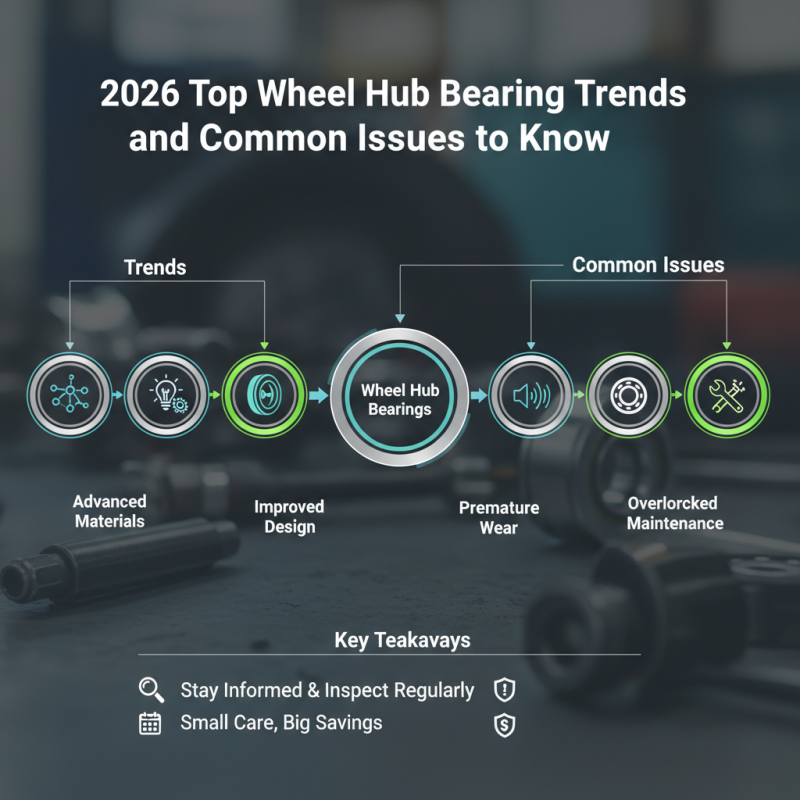
As we approach 2026, understanding wheel hub bearings is crucial for vehicle maintenance. These components play a key role in ensuring smooth wheel rotation and overall vehicle performance. However, common issues persist. Drivers often face noise, play, or vibration that indicates bearing failure.
The trends surrounding wheel hub bearings reveal advancements in materials and design. New technologies are improving durability and efficiency. Still, many users are unaware of these developments. Regular inspection and maintenance are often overlooked. A small investment in care can lead to significant savings.
Yet, challenges remain. Not all vehicles are created equal. Some models experience premature bearing wear due to design flaws. Users must stay informed to avoid costly repairs. Awareness of wheel hub bearing trends is essential for safe driving.
2026 Wheel Hub Bearing Innovations: Emerging Technologies and Designs
The wheel hub bearing industry is experiencing rapid innovations. Emerging technologies are redefining the designs and materials used in bearings. According to a recent report by MarketsandMarkets, the global wheel hub bearing market is expected to grow at a CAGR of 5% from 2021 to 2026. This growth is driven by advancements in manufacturing processes and material sciences.
New designs are focusing on lightweight materials, such as composites and advanced alloys. These materials enhance durability while reducing weight. Furthermore, innovations like smart bearings equipped with sensors are on the rise. These sensors monitor performance and predict failures, which is vital for safety and efficiency. A study highlighted that predictive maintenance can reduce operational costs by up to 25%.
However, challenges remain. The integration of new technologies can lead to compatibility issues. Not all vehicles can accommodate advanced bearing designs. Some manufacturers may lag in adopting these innovations. There is also concern about the environmental impact of producing new materials. Balancing innovation with sustainability presents a critical dilemma. Addressing these issues is essential for the future of the wheel hub bearing market.
2026 Wheel Hub Bearing Innovations: Trends and Common Issues
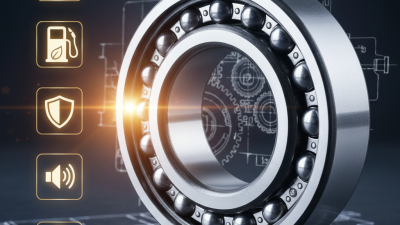
The chart above illustrates the key trends in wheel hub bearing innovations projected for 2026. It identifies the main areas of focus within research and development, highlighting material innovations, advanced sealing technologies, load capacity increases, noise reduction improvements, and durability advancements.
Key Trends Shaping the Future of Wheel Hub Bearings in 2026
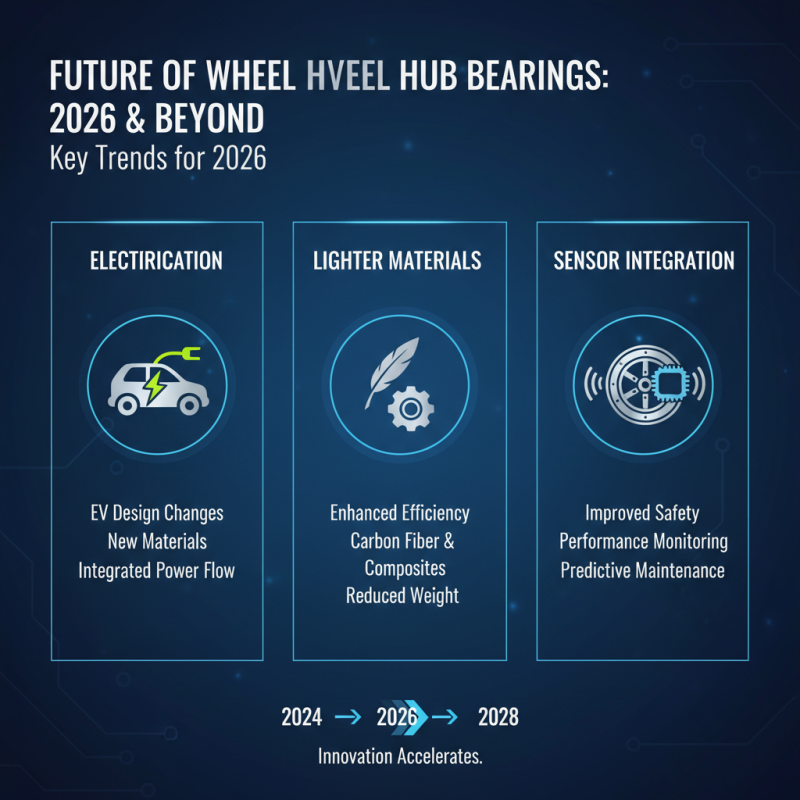
The future of wheel hub bearings in 2026 is influenced by several key trends. The push for electrification in vehicles is changing the design and materials of these components. Lighter materials are becoming more common, enhancing efficiency. Innovations in sensor technology are integrating into wheel hubs, improving performance and safety.
Many manufacturers are facing challenges with durability. The increased weight of electric vehicles puts stress on bearings. This can lead to premature wear and failure. Additionally, noise reduction is a rising concern. Consumers desire quieter rides, putting pressure on engineers to find solutions.
Another trend is sustainability. Eco-friendly materials are gaining traction in production. The industry is focusing on reducing waste during manufacturing processes. However, balancing performance and environmental impact remains complex. Many questions arise about the trade-offs involved. As these trends continue, ongoing reflection is crucial for manufacturers.
Common Issues Faced by Wheel Hub Bearings and Their Solutions
Wheel hub bearings play a critical role in vehicle safety and performance. They endure significant stress and can face various issues. One common problem is excessive noise, often indicating wear or damage. When you hear grinding or humming sounds, it’s time to inspect the bearings. Delaying this can lead to further damage and costly repairs.
Another frequent issue is wheel play. This occurs when there’s excessive movement in the wheel hub. It can compromise handling and stability. To check for this, lift the vehicle and attempt to shake the wheel. If there's noticeable movement, replace the bearing immediately. Ignoring this can lead to hazardous driving conditions.
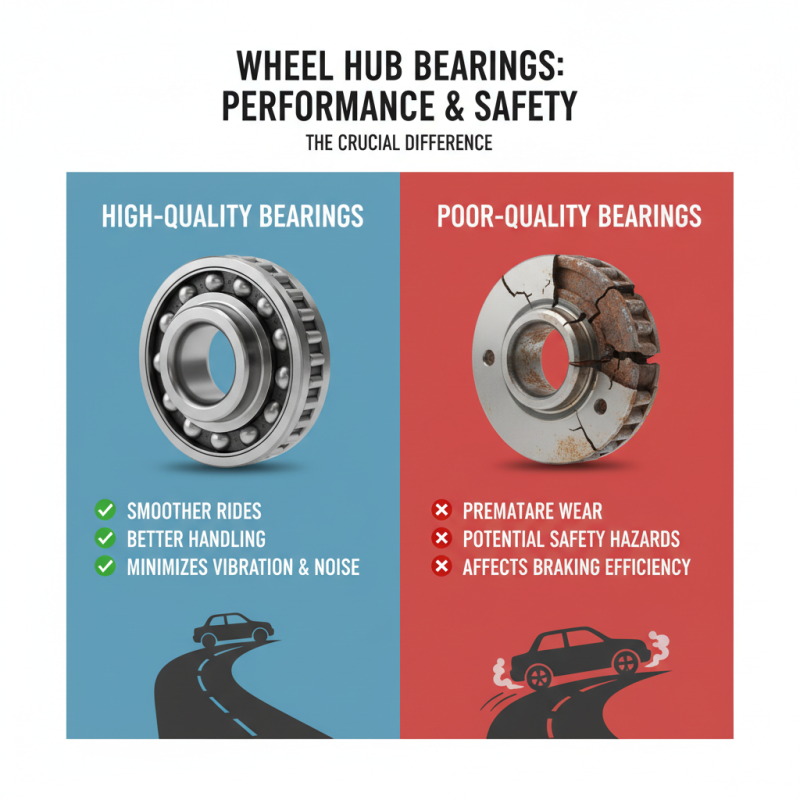
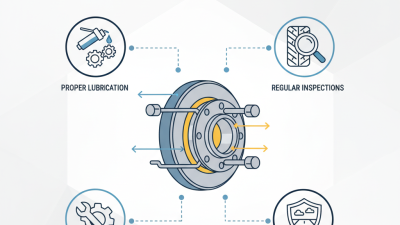
Tips: Regular maintenance is essential. Check wheel bearings during routine service. Keep an eye out for signs of rust or corrosion, as these can accelerate wear. Invest in high-quality parts when replacing bearings—this can save money in the long run. Always listen to your vehicle; it often communicates issues before they escalate into major failures.
Maintenance Tips for Prolonging Wheel Hub Bearing Lifespan
Maintaining your wheel hub bearings is crucial for vehicle performance. Regular checks can help prolong their lifespan. Inspect your bearings often. Listen for unusual noises. A humming sound might indicate wear.
One effective maintenance tip is to keep the bearings clean. Dirt and debris can compromise their functionality. Use a soft cloth to wipe around the area. Sometimes, a simple clean can extend their life significantly.
Another important point is to ensure correct torque specifications during installation. Over-tightening can lead to failure. Always refer to user manuals. Additionally, monitor wheel alignment. Misalignment can contribute to premature wear. If you notice uneven tire wear, it may be time for an alignment check. Regularly reflecting on these practices is key for better maintenance.
2026 Top Wheel Hub Bearing Trends and Common Issues to Know
| Trend/Issue |
Description |
Common Symptoms |
Maintenance Tips |
| Increased Use of Materials |
Use of advanced materials to enhance durability and performance. |
Noise when turning, irregular tire wear. |
Regularly check and maintain proper lubrication. |
| Sealed Bearings |
Growing popularity due to reduced maintenance needs. |
Heat buildup, grinding noise. |
Keep an eye on temperature, ensure proper alignment. |
| Advanced Diagnostics |
Implementation of technology for early detection of issues. |
Warning lights, vibration in the steering wheel. |
Use diagnostic tools regularly to monitor health. |
| Environmental Factors |
Impact of weather on bearing performance and lifespan. |
Rust, corrosion, decreased performance. |
Apply protective coatings and keep clean. |
| Sourcing Quality Bearings |
Demand for high-quality bearings to prevent premature failure. |
Frequent failures, unusual noises. |
Research suppliers and choose reliable options. |