In the pursuit of optimal performance and safety, selecting the right Car Tyre Bearing is crucial. This component significantly influences how well a vehicle drives and handles. With advancements in technology, the 2026 market offers various options that promise improved durability and efficiency.
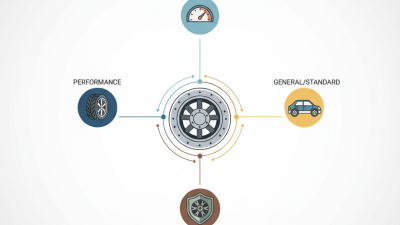
The diversity of Car Tyre Bearings can be overwhelming. Each option comes with unique features tailored for different driving conditions. Some are designed for high performance, while others focus on comfort and efficiency in everyday driving. Understanding these differences can enhance safety on the road.
However, not all choices may meet expectations. Buyers must weigh factors like material quality, manufacturing standards, and certification. A Car Tyre Bearing that seems perfect could fall short if not properly matched to the vehicle's needs. It's essential to research and reflect upon each option before making a choice.
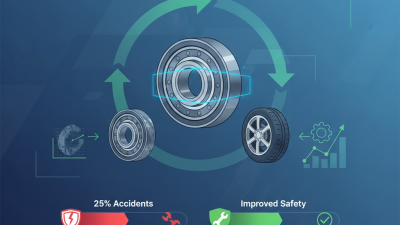
Car tyre bearings play a crucial role in vehicle performance. They allow the wheels to rotate smoothly while supporting the vehicle's weight. When these bearings fail, it can lead to uneven wear on tyres and compromised handling. The right bearings ensure safety and enhance driving experience.
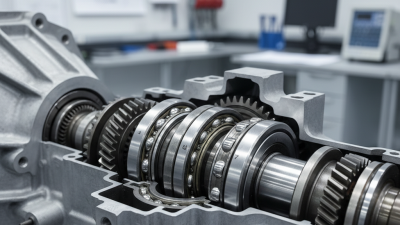
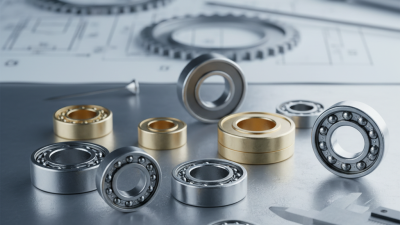
Understanding the different types of bearings is essential. There are ball bearings and roller bearings, each with unique applications and benefits. Ball bearings tend to be quieter but may not handle heavy loads as well as roller bearings. Regular inspections can prevent unexpected failures, a lesson many overlook.
Drivers should also consider the impact of maintenance. Lubrication is vital for longevity. Neglecting this can result in increased friction and heat. Each car is different, so following guidelines for specific vehicles is necessary. Reflecting on personal experiences can lead to better choices for optimal performance.
This chart displays key performance metrics for various car tyre bearings based on 2026 data, highlighting load capacity, roll resistance, noise level, and durability.
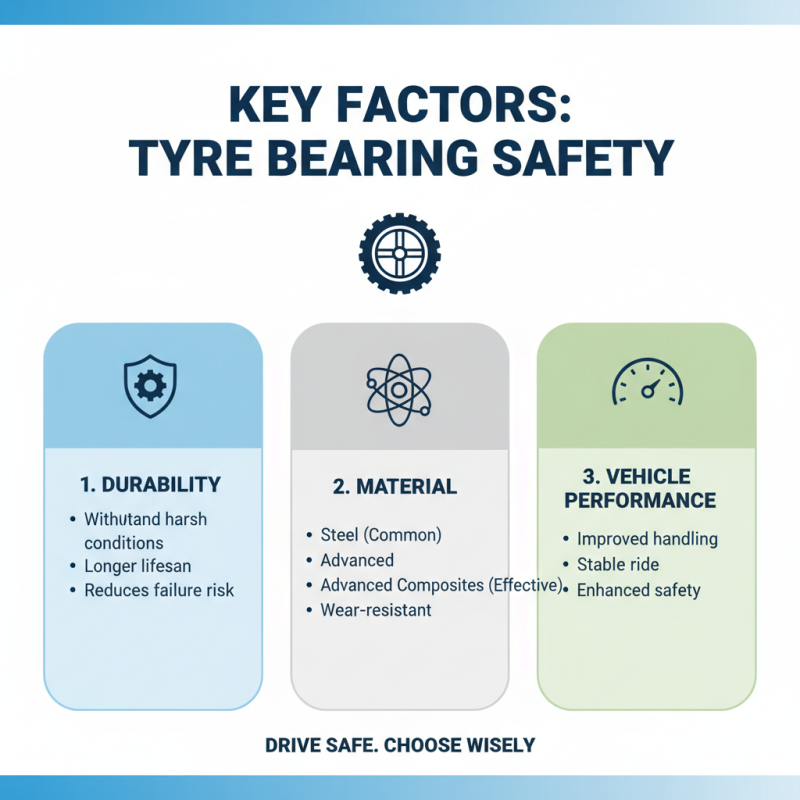
When selecting tyre bearings, safety should be a top priority. The right bearings can significantly affect vehicle performance. Always look for materials that offer durability and resistance to wear. Steel is commonly used, but advanced composites can also be effective. These materials ensure that the bearings can withstand harsh conditions, contributing to safer driving experiences.
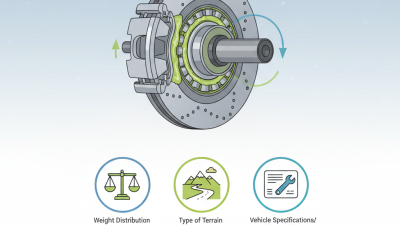
Additionally, pay close attention to the bearing's design. A well-designed bearing promotes proper alignment and reduces friction. This can lead to better handling and a smoother ride. It's worth considering the load capacity as well. Ensure that the bearings can handle the weight of your vehicle and any added cargo. Underestimating this can lead to premature failure.
Don’t forget to reflect on installation and maintenance practices. Proper installation is crucial for optimal performance. An incorrectly installed bearing can damage the tyre and affect safety. Regular checks should be part of your maintenance routine. This helps identify any potential issues before they become serious problems. Taking these factors seriously can make a difference on the road.
When selecting tyre bearings, performance and safety are crucial. High-quality bearings contribute to smooth handling and reduce the risk of tyre failure. Several leading brands focus on engineering, durability, and advanced materials to enhance road performance. Consider features like resistance to heat and moisture, which can significantly affect performance over time.
Tips: Regularly check your tyre bearings for wear. Signs of wear include unusual noise and vibrations. Don’t ignore these symptoms; they might indicate deeper issues. Also, remember to consult your vehicle manual for specifications suited to your car model.
Many drivers overlook the importance of proper installation. Incorrect fitting can lead to accelerated wear or even complete failure. Investing time in learning about bearing assembly can provide long-term benefits. Compatibility with your existing wheels directly impacts performance, so research before making choices. Quality matters, yet it’s easy to fall into the trap of prioritizing price over performance. Always aim for a balanced approach.
When choosing tyre bearings, material and design are crucial. Steel bearings are common due to their strength. They provide durability and longevity. However, they can weigh a bit more, affecting performance. In contrast, ceramic bearings are lighter. They reduce rolling resistance and enhance speed. Yet, they can be more fragile. The balance between weight and strength is essential.
The design of the bearing also plays a role. You’ll find different shapes and configurations, impacting performance. For instance, angular contact bearings allow for higher loads. They provide better handling, but might develop wear quicker. On the other hand, deep groove bearings are versatile. They handle both axial and radial loads well. However, they might not offer the same level of high-speed performance as others.
Consider your driving style. Do you prioritize speed or durability? The answers could guide your choice in bearing materials and designs. Reflect on your needs and imagine the consequences of your choice. Not every bearing fits every need, and that’s part of the process.
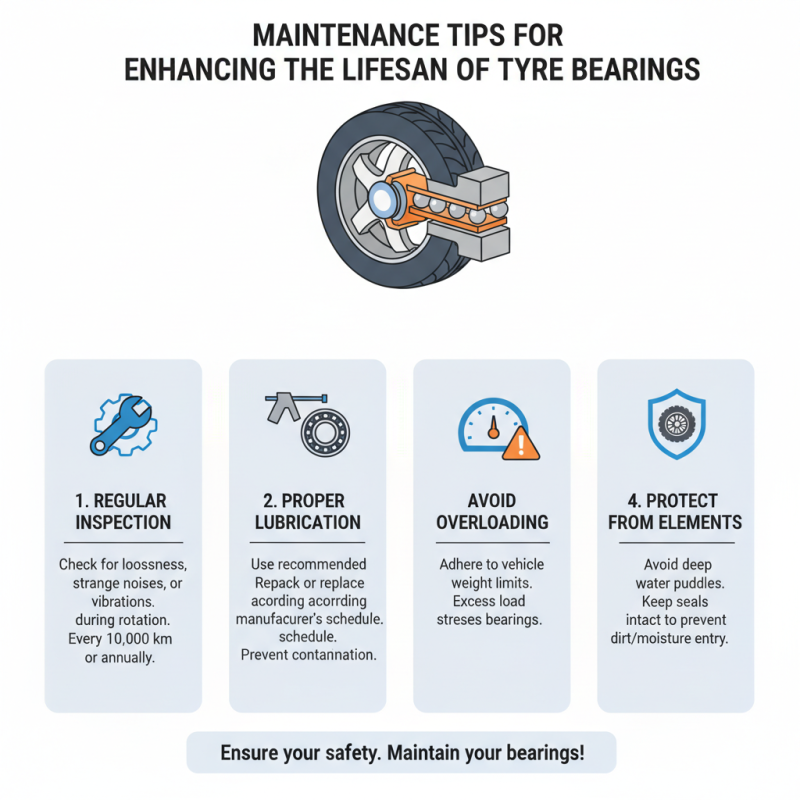
Tyre bearings play a vital role in your vehicle's performance and safety. Regular maintenance is crucial to extend their lifespan and ensure your safety on the road.
One essential tip is to keep your wheels properly aligned. Misalignment causes uneven wear on the bearings. This can lead to premature failure. A simple check every few months can save you potential headaches. Also, be vigilant about inspecting for any noticeable noise. Sounds like grinding or rumbling can indicate a problem. Addressing these issues early can prevent more severe damage.
Another important aspect is lubrication. Keeping bearings well-lubricated reduces friction and wear. But don't overdo it. Too much grease can attract dirt and debris. This can compromise the bearings' efficiency. Clean the area around the bearings regularly. Ensure that dirt does not accumulate. By taking these steps, you can help your tyre bearings function efficiently for years.