How to Choose the Right SKF Needle Bearing for Your Project?
Choosing the right SKF needle bearing for your project is crucial. These small components play a significant role in many machines. A well-suited SKF needle bearing ensures efficiency and longevity. However, the choice can be confusing.
Different applications require different specifications. Consider load capacity, speed, and environment. Each factor influences the selection process. The wrong choice might lead to mechanical failures. Therefore, careful assessment is vital. Look for specific sizes and shapes that fit your design.
Understand common pitfalls in selection. For example, many overlook bearing clearance and fit. These mistakes can result in reduced performance. It's essential to reflect on your choices throughout the design phase. By understanding these details, you can confidently select the right SKF needle bearing for your needs.
Understanding the Basics of SKF Needle Bearings
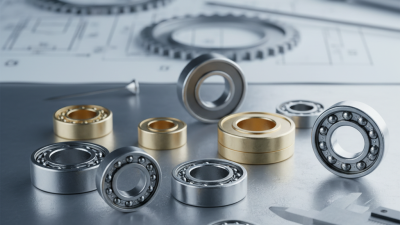
Needle bearings are crucial in many mechanical applications. They help reduce friction between moving parts, allowing for smoother operation. These bearings consist of cylindrical rollers, which are longer than they are wide. This design allows for a compact and efficient arrangement.
Choosing the right needle bearing requires understanding your specific needs. Consider factors such as load capacity, speed, and environmental conditions. Smaller projects might not need heavy-duty bearings. In contrast, larger applications require precise specifications. Ignoring these details can lead to failures. Overestimating capabilities can be just as detrimental.
Additionally, pay attention to tolerances. A bearing that fits too tightly may lead to premature wear. On the other hand, one that’s too loose will not perform efficiently. Testing different options is crucial. Each bearing has unique characteristics that affect performance. Take your time to analyze each choice carefully. Doing so can save both time and resources in the long run.
Identifying Your Project Requirements and Constraints
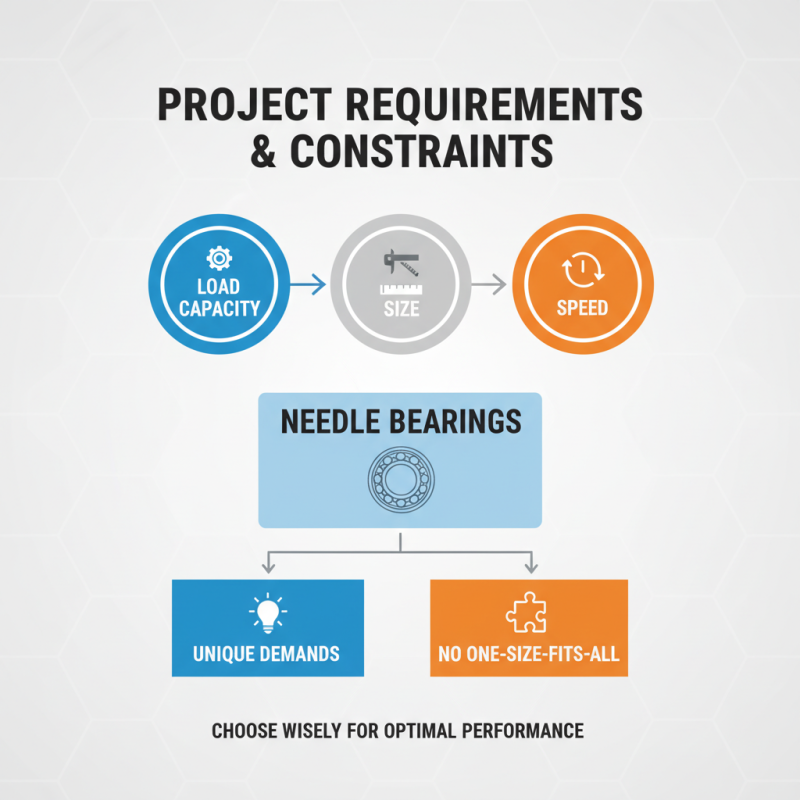
When embarking on a project that requires needle bearings, you must clearly understand your project's requirements and constraints. Consider the load capacity, size, and speed of your application. Each project may have unique demands. What works for one may not suit another.
Tips: Assess the environment where the bearing will operate. Is it exposed to dirt, humidity, or high temperatures? This can greatly affect your choice.
Think about installation space. Some designs need more room for maintenance and adjustments. Compression and alignment are crucial. Ignoring these can lead to failures or inefficiencies.
Evaluate the materials used in bearings. They should align with your project needs. A mismatch here could cause premature wear or failure. Sometimes, it’s easy to overlook such details. Reflect on how each choice may impact your project’s success.
Tips: Don’t rush. Take time to test different options. Small adjustments can make a large difference in performance.
Evaluating Different Types of SKF Needle Bearings
When selecting the right needle bearing, consider the specific project requirements. Different applications demand unique characteristics. For instance, high-load applications often benefit from bearings with reinforced structures. A study shows that needle bearings can withstand loads up to 50% higher than conventional roller bearings. This makes them ideal for heavy machinery.
Additionally, the size and shape of the needle bearings play a crucial role. Some projects may require bearings with a smaller profile for space-constrained environments. Data indicates that tapered needle bearings can reduce friction by up to 20% in tight spaces. However, while they offer better performance, they may not be the best choice for all situations.
Material choice is another critical factor. Stainless steel bearings have excellent corrosion resistance but can be more expensive. Conversely, plastic needle bearings are lighter and cheaper. They might not handle high heat as well. This can create a challenge in applications where temperature fluctuation is an issue. Evaluating options based on environmental factors is essential for longevity and efficiency.
How to Choose the Right SKF Needle Bearing for Your Project? - Evaluating Different Types of SKF Needle Bearings
| Bearing Type |
Load Capacity (kg) |
Speed Rating (rpm) |
Dimensions (mm) |
Applications |
| Needle Roller Bearing |
2000 |
5000 |
20 x 32 x 18 |
Automotive, Industrial Gearboxes |
| Caged Needle Bearing |
1500 |
3000 |
15 x 25 x 13 |
Compact Motors, Small Machinery |
| Drawn Cup Needle Roller Bearing |
1800 |
4000 |
25 x 32 x 14 |
Automotive, Heavy Machinery |
| Self-Aligning Needle Bearing |
2200 |
4500 |
18 x 30 x 10 |
Textile Machinery, Conveyor Systems |
Assessing Load Capacities and Performance Specifications
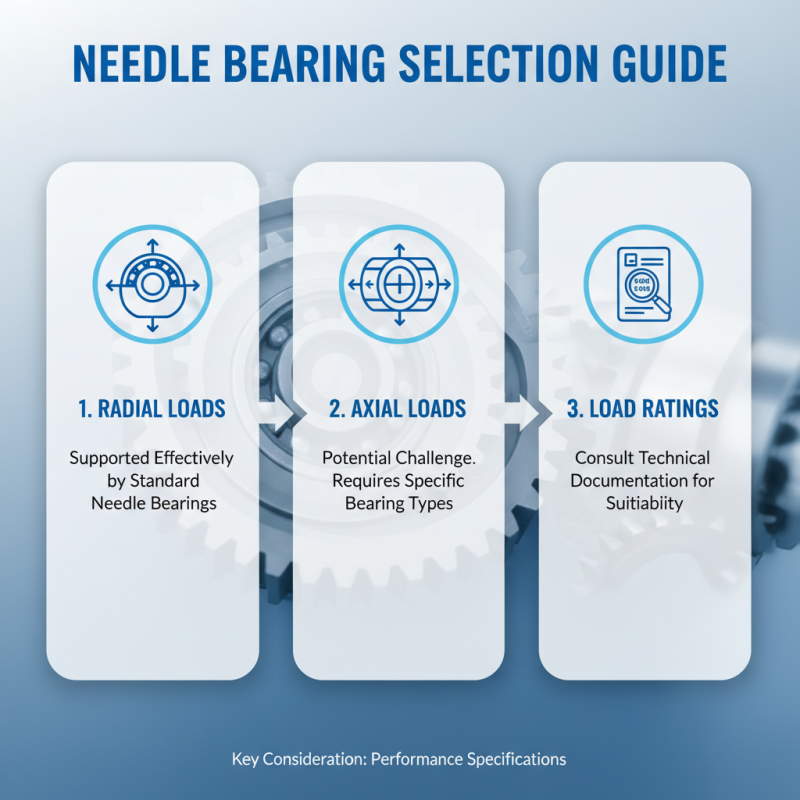
When selecting a needle bearing, it’s crucial to assess load capacities and performance specifications carefully. Each bearing type has different characteristics. A standard needle bearing often supports radial loads effectively. However, the axial loads can pose challenges. The load ratings typically provided in technical documentation help in determining suitability.
In recent industry studies, it was reported that the dynamic load rating significantly affects lifespan. For instance, increasing the load by 10% can reduce the bearing life by nearly 50%. This alarming statistic underscores the need for meticulous assessment. Will it endure the intended application?
Moreover, environmental conditions play a vital role. A bearing exposed to dust or moisture may need additional seals. Components operating at higher temperatures might require specific materials. Ignoring these details could lead to premature failures. As such, thorough research into performance specifications is non-negotiable. Understanding the implications of your choices is essential, yet many overlook these critical factors.
Making an Informed Selection Based on Application Needs
Choosing the right needle bearing for your project is crucial. It starts with understanding your application needs. Consider the load requirements. Is it heavy or light? The operating speed also matters. High-speed applications need specific designs. Look at the operational environment. Will the bearing be exposed to moisture or dust? This can determine the type of seal or lubrication needed.
Material choice plays a big role. Some projects might require stainless steel, while others might do well with other materials. Keep in mind that not all needle bearings are created equal. Tolerances can vary. Precision matters for longevity and performance. It’s important to assess the data sheets provided, but these can sometimes be overwhelming.
Don’t be afraid to ask for advice. Engaging with experienced professionals can often clarify confusion. Sometimes, you may think you’ve made the right choice but later realize it’s not quite right. Reflecting on past mistakes can guide your current selection. Consider feedback from previous projects. Each experience can lead to a better-informed decision now.