How to Choose the Right NTN Needle Bearing for Your Application?
Choosing the right NTN Needle Bearing is crucial for any application. Dr. John Smith, a leading expert in bearing technology, emphasizes, "The right bearing can make or break your machine's performance." With countless options available, selecting the correct NTN Needle Bearing requires careful consideration.
NTN Needle Bearings are known for their ability to handle high loads while saving space. They are designed for various applications, from automotive to industrial machinery. However, choosing the wrong type can lead to premature failure. This can affect overall productivity and increase maintenance costs.
It’s essential to assess factors like load capacity, speed, and operational environment. Many users overlook these details, leading to mistakes. Proper research and understanding of your specific needs are vital. With available options, it might feel overwhelming. But with the right guidance, choosing the perfect NTN Needle Bearing can significantly enhance your project’s success.

Understanding NTN Needle Bearings and Their Applications
NTN needle bearings are essential components in various machinery, providing support and reducing friction. They are specifically designed to handle high radial loads while maintaining a compact size. These bearings feature a series of small rollers that help distribute the load evenly. Understanding their applications is crucial for selecting the right type.
When choosing a needle bearing, consider the load capacity and speed requirements. Not all needle bearings are created equal. Some may perform better under specific conditions. Always check the temperature range too. Higher temperatures can lead to bearing failure.
Tips: Ensure proper lubrication to extend the life of needle bearings. Also, examine the installation process carefully. An improper fit can cause wear and tear. Inspect the operating environment for contaminants.
Note that regular maintenance plays a significant role. It’s easier to replace a bearing than to fix entire machinery due to failure. Take your time to select the best option for your needs.
Key Factors to Consider in Selecting NTN Needle Bearings
When selecting a needle bearing, several key factors come into play. Size is crucial. Ensure the bearing fits your specific application. Measure accurately, as a small mistake can lead to issues. The load capacity is another vital aspect. Consider both radial and axial loads. Overloading a bearing can cause premature wear or failure.
Next, look at the operating conditions. Temperature can affect performance. High temperatures may decrease lubrication effectiveness. A bearing designed for harsh conditions is often necessary. Additionally, consider the speed of operation. Different bearings are suited for different speeds.
Lubrication is also significant. The right lubricant minimizes friction and prolongs the bearing's life. Evaluate the environment. Dust, moisture, or chemicals can impact performance. It's worth noting that choosing the wrong bearing can lead to costly downtime. Mistakes happen, but careful consideration helps reduce risks. Always reflect on past choices to improve future selections.
How to Choose the Right NTN Needle Bearing for Your Application? - Key Factors to Consider in Selecting NTN Needle Bearings
| Factor |
Description |
Recommended Specification |
| Load Capacity |
Assess the maximum load the bearing will endure. |
Check static and dynamic load ratings. |
| Speed Rating |
Determine the operational speed of the application. |
Select bearings rated for maximum RPM needs. |
| Temperature Tolerance |
Identify the operating temperature range of the environment. |
Choose bearings suitable for high/low temperature limits. |
| Lubrication Type |
Decide on the lubrication method (grease or oil). |
Select bearings designed for the chosen lubrication. |
| Dimensions |
Measure the shaft and housing sizes for fit. |
Refer to dimension tables for accuracy. |
| Material |
Evaluate the environmental exposure affecting material choice. |
Opt for corrosion-resistant materials if needed. |
Assessing Load Capacity and Performance Ratings
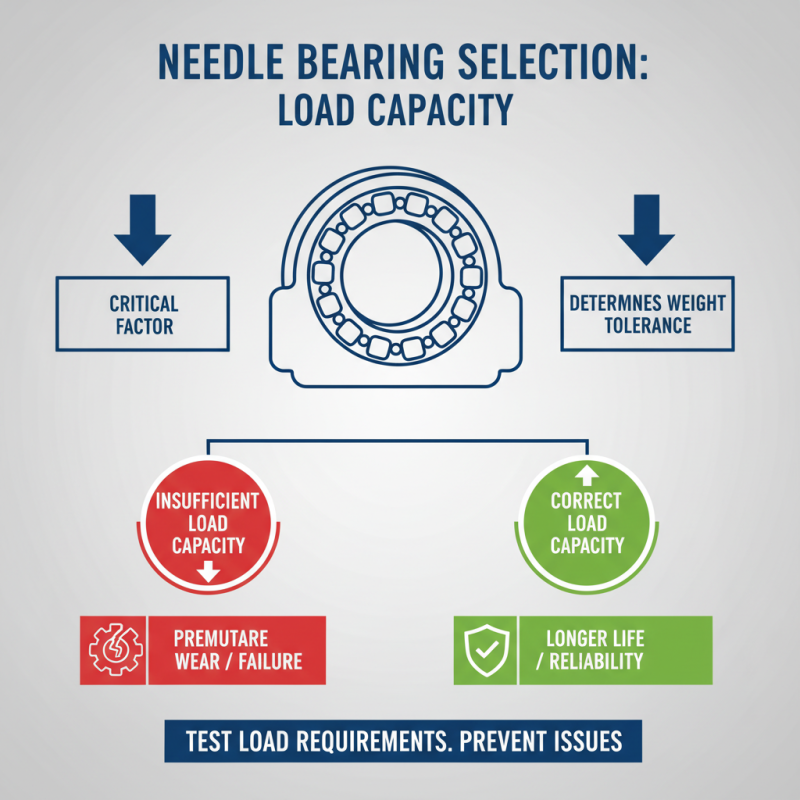
When choosing a needle bearing, load capacity is critical. It determines how much weight the bearing can handle. If you select one with insufficient load capacity, it can lead to premature wear. This might seem simple, but many overlook this factor. Testing the load requirements in your application can prevent issues down the line.
Performance ratings are another essential consideration. They indicate how well the bearing will function over time. Look for details like speed limits and temperature ranges. Underestimating these aspects can lead to bearing failure. You might feel tempted to cut costs, yet this choice could result in more significant expenses later. A balance between cost and performance is necessary.
Remember, it's not just about choosing a bearing — it's about understanding your needs. Each application is unique. Evaluating load and performance can save you headaches. However, many find this part challenging. Seek guidance from experts if needed. Ignoring the nuances might lead to regrets.
Evaluating Shaft and Housing Fit for NTN Bearings
When selecting a needle bearing, proper fit with the shaft and housing is critical. The bearing must fit snugly without excessive force. An inadequate fit can lead to premature wear or failure.
When considering the fit, measure the shaft and housing accurately. Use calipers for precise readings. Check both the inner diameter of the bearing and the outer diameter of the shaft. Pay attention to tolerances. A too-loose fit will result in movement, while a tight fit can cause binding or friction.
Tips: Always refer to technical specifications. These documents provide guidelines on recommended fits. Consider using a light grease to ease installation.
Another point to consider is temperature changes. Bearings expand and contract with heat; allowances must be made accordingly. If you are unsure, test different fits with prototypes. Adjusting dimensions slightly can yield significant performance changes. Remember, a perfect fit is the goal, but real-world conditions can complicate this process. Reassess your measurements regularly to ensure optimal performance.