How to Choose the Right Gear Box Bearings for Optimal Performance?
Choosing the right Gear Box Bearings is crucial for machinery performance. According to a report by the Machinery Research Institute, improper bearing selection can lead to a 25% decrease in efficiency. This data highlights the importance of careful consideration in the selection process.
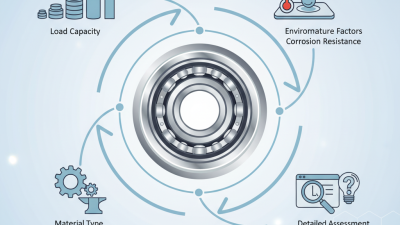
Expert Engineer John Smith emphasizes, "Quality Gear Box Bearings can significantly extend the lifespan of machinery." His words underline the necessity of understanding specific application demands. Factors such as load capacity, speed, and environment play a pivotal role.
Choosing bearings isn't always straightforward. Many professionals overlook the details that could lead to complications down the line. The right bearings can minimize friction and wear, but finding them requires diligence. As the industry grows, so too do the options available, which can add to the confusion. Making informed decisions on Gear Box Bearings can enhance overall performance.
Understanding the Role of Gear Box Bearings in Performance
Gear box bearings play a crucial role in machinery performance. They support the rotating elements and reduce friction. Proper selection of these bearings is essential to ensure smooth operation. Without the right bearings, machines can experience excessive heat and wear, leading to breakdowns.
When choosing gear box bearings, consider factors like load capacity and speed ratings. The wrong choice can result in mechanical failures. Inspect the environment where the bearings will operate. Factors such as temperature and humidity can impact performance.
Tips:
- Always verify load calculations. Ensure the bearings can handle the maximum load they might face.
- Regularly check for signs of wear. Early detection can prevent costly repairs.
- Research material options. Different materials can influence durability and performance.
Selecting gear box bearings is not just about fitting parts. It requires understanding how they interact with other components. Each decision affects
overall efficiency. Attention to detail is vital for optimal performance.
Identifying Key Factors in Bearing Selection for Gear Boxes
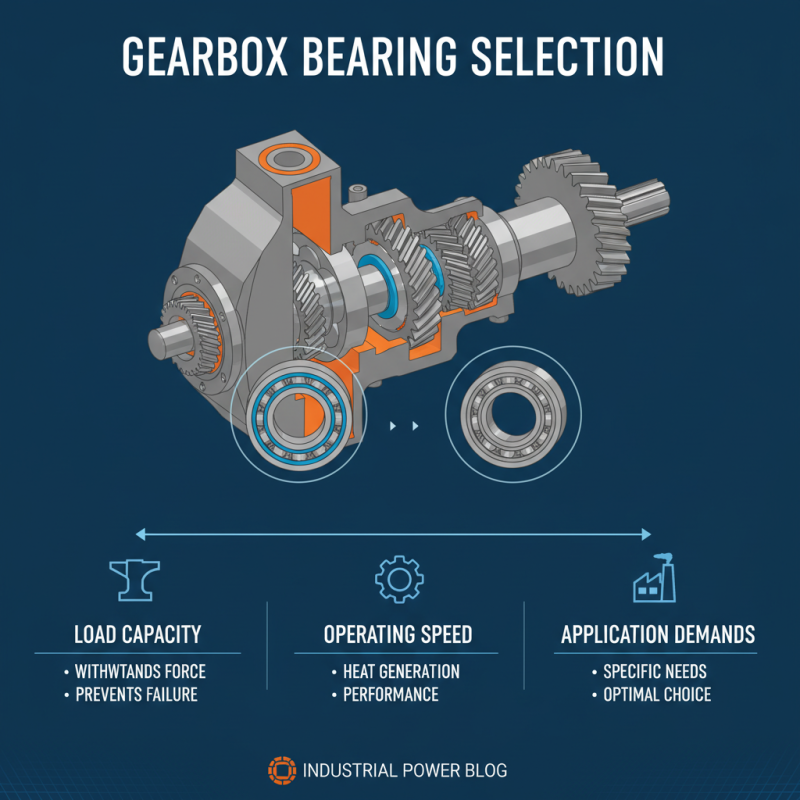
When selecting bearings for gear boxes, several factors come into play. Load capacity is crucial; it determines how much force the bearings can withstand. Overloading a bearing leads to premature failure. Understanding the application’s specific demands will guide the right choice. Pay attention to operating speeds too. Higher speeds can generate more heat, potentially damaging bearing performance.
Material choice also matters. While standard steel bearings may suffice for many applications, some conditions require high-performance materials. Corrosion resistance might be necessary in harsh environments. It’s essential to evaluate lubrication methods as well. Proper lubrication minimizes friction and wear, enhancing the bearing's life.
Noise levels can be another concern. Some gears are designed for quiet operation, making bearing selection critical. Moreover, even small misalignments can affect performance negatively. All these factors highlight the complexity of bearing selection. Reflecting on each of these elements can lead to better decisions.
Exploring Different Types of Gear Box Bearings and Their Uses
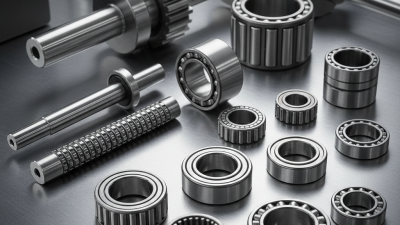
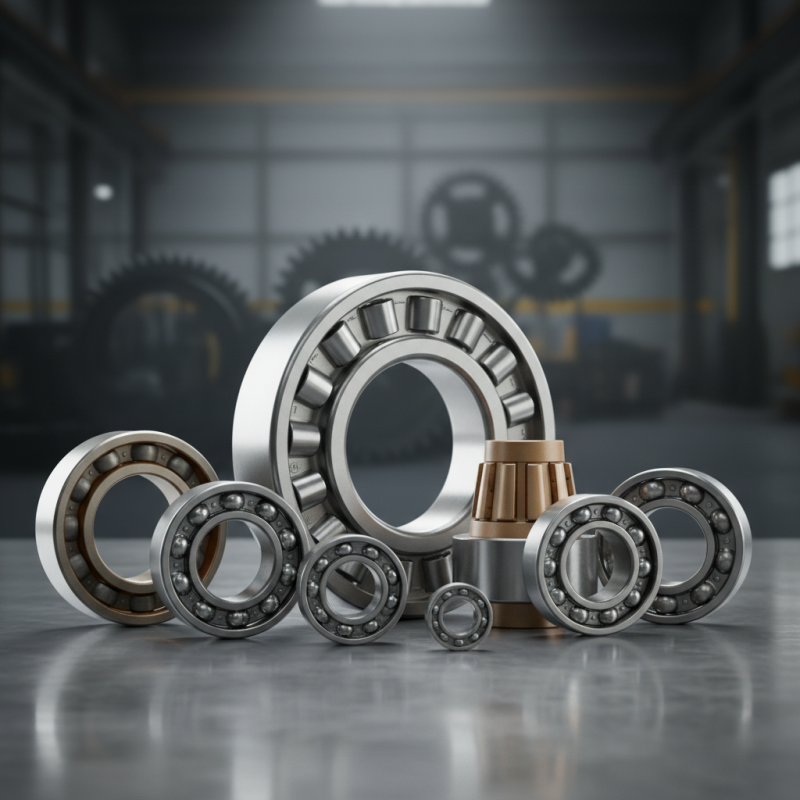
When selecting gear box bearings, understanding the different types available is crucial for performance. Rolling element bearings, such as ball and roller bearings, are common choices. They provide low friction and high speed. However, these bearings may not handle heavy loads as effectively as others. According to a recent industry report, misapplication of bearings can lead to failures in machinery, resulting in costly downtimes, estimated at 10% of operational costs annually.
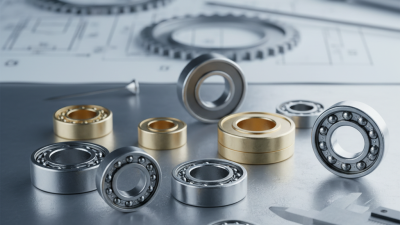
Another option is plain bearings, which rely on sliding motion. They often exhibit better load distribution. Yet, they can suffer from wear and tear more quickly than rolling bearings. For environments that require high temperatures or corrosive conditions, special lubricated bearings may be necessary. The right choice depends on the specific application and operational conditions. In fact, a survey indicated that 25% of technicians overlook bearing specifications, impacting machinery lifespan and efficiency.
It is also vital to consider installation and maintenance practices. Poor installations often lead to premature bearing failure. Research shows that improper alignment can reduce a bearing's performance by up to 40%. Therefore, focusing on proper fitting methods is essential. These considerations can significantly impact the overall efficiency of gear boxes and ultimately the machinery's reliability.
Assessing Load Capacities and Durability of Bearings
When selecting bearings for gearboxes, evaluating load capacities is crucial. Bearings need to withstand various forces throughout their lifespan. A recent report by the International Bearing Industry Association states that the load capacity should be three times the expected operational load. This ensures that bearings perform optimally, even under unexpected stress.
Durability is an equally important factor. High-quality materials can enhance bearing life. For example, the use of high-alloy steels can improve resistance to fatigue. Studies show that bearings made from these materials can last 20 to 50% longer than standard options in similar applications. However, some manufacturers still overlook this aspect, leading to premature failures and costly downtimes.
Additionally, environmental factors must be considered. Temperature fluctuations and contamination can significantly impact bearing performance. For instance, excessive heat can reduce lubrication effectiveness and lead to bearing failure. It's vital to assess these conditions thoroughly before selecting bearings. A well-informed choice can lead to improved efficiency and reduced maintenance costs in the long run.
How to Choose the Right Gear Box Bearings for Optimal Performance?
| Bearing Type |
Load Capacity (Radial) |
Load Capacity (Axial) |
Speed Rating (RPM) |
Material |
Durability (Life Hours) |
| Deep Groove Ball Bearing |
2,500 N |
1,500 N |
14,000 RPM |
Chrome Steel |
20,000 hours |
| Tapered Roller Bearing |
4,000 N |
2,000 N |
8,000 RPM |
High Carbon Steel |
15,000 hours |
| Spherical Roller Bearing |
6,500 N |
3,500 N |
6,000 RPM |
Manganese Bronze |
25,000 hours |
| Angular Contact Bearing |
3,200 N |
2,200 N |
12,000 RPM |
Stainless Steel |
22,000 hours |
Maintenance Tips for Enhancing Gear Box Bearing Longevity
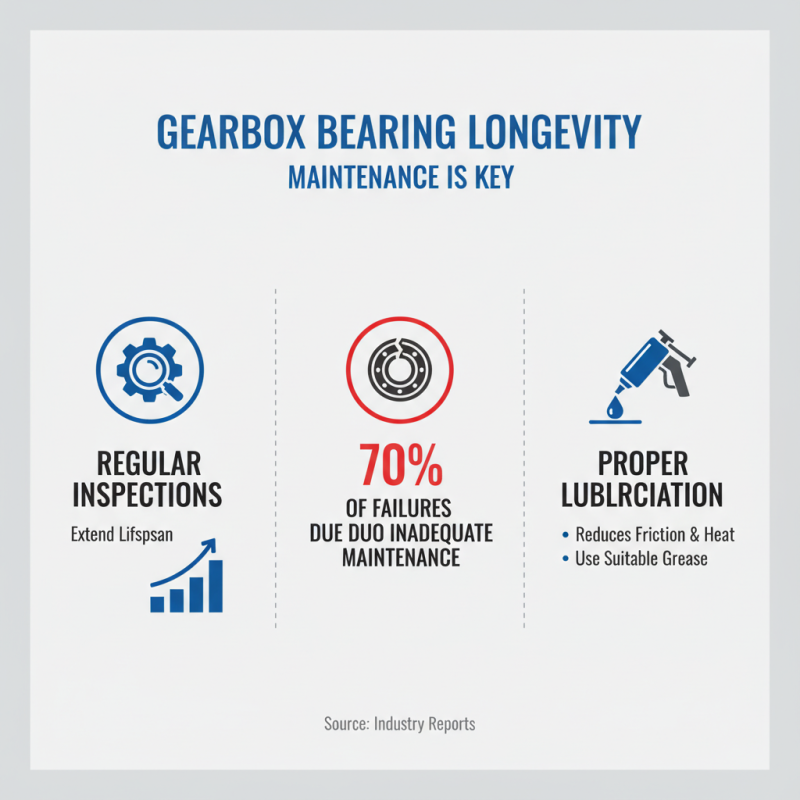
When it comes to gear box bearings, maintenance is key for their longevity. Regular inspections can significantly extend their lifespan. According to industry reports, about 70% of bearing failures are linked to inadequate maintenance practices. Regular lubrication is vital, as it reduces friction and heat buildup. Ensure that the grease is suitable for the operating environment.
Dust and contaminants can quickly ruin bearings. Implementing effective sealing methods can help you maintain cleanliness over time. Periodically check for misalignment, as this can lead to accelerated wear. Ensure that the installation of bearings is precise. An improper fit, even by a small margin, can cause serious issues down the line.
Tip: Schedule routine maintenance every six months to keep bearings in top shape. Always follow the manufacturer’s specifications for lubrication intervals. If the bearings are exposed to extreme conditions, consider more frequent checks. Keep an eye out for unusual noises or vibrations; these can signal an impending failure. Maintain a proper inventory of replacement bearings to minimize downtime when failures occur.