Top 5 Conical Bearing Types You Need to Know?
In the world of mechanical engineering, the significance of conical bearings cannot be overstated. Leading expert, Dr. Emily Carter, has said, "Conical bearings are essential for load distribution." These components play a crucial role in various applications, enabling smooth rotational movements.
Conical bearings come in multiple designs, each tailored for specific needs. They allow for both axial and radial loads, making them versatile. However, the nuances of their types can be overwhelming. Knowing the key variants is vital for effective use in industry.
As technologies evolve, understanding conical bearings is necessary. Overlooking specific types could lead to inefficiencies or failures. Every engineer should prioritize grasping these concepts. In doing so, they can optimize performance and ensure reliability in their projects.
Overview of Conical Bearings and Their Applications
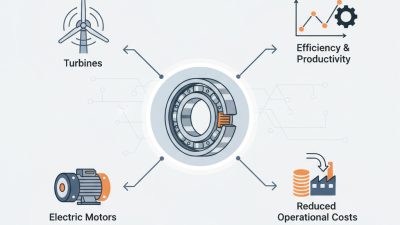
Conical bearings, often known for their unique shape, play a critical role in various applications. Their tapered design enables effective load distribution, making them ideal for heavy machinery. These bearings are vital in automotive, aerospace, and industrial equipment. They can accommodate both radial and axial loads, which adds to their versatility.
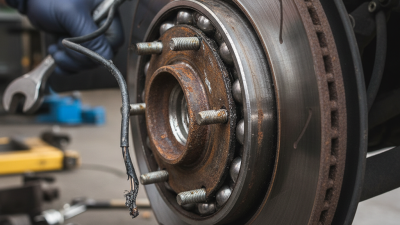
In automotive systems, conical bearings are commonly found in wheel hubs. They provide smooth rotation, thus enhancing vehicle performance. In industrial settings, they support conveyor belts and reduce friction during operations. This feature is crucial in maintaining efficiency in production lines.
Tip: Regular maintenance of conical bearings extends their lifespan. Check lubricant levels frequently to ensure optimal performance. Also, look for signs of wear, like unusual noises or vibrations, as these can indicate issues. Remember, early detection can save time and money down the line.
Relying solely on conical bearings can sometimes lead to problems. They may require precise installation. Misalignment can cause premature failure. Be mindful of load ratings and environmental factors. These aspects can affect their efficiency significantly.
The Different Types of Conical Bearings: A Detailed Analysis
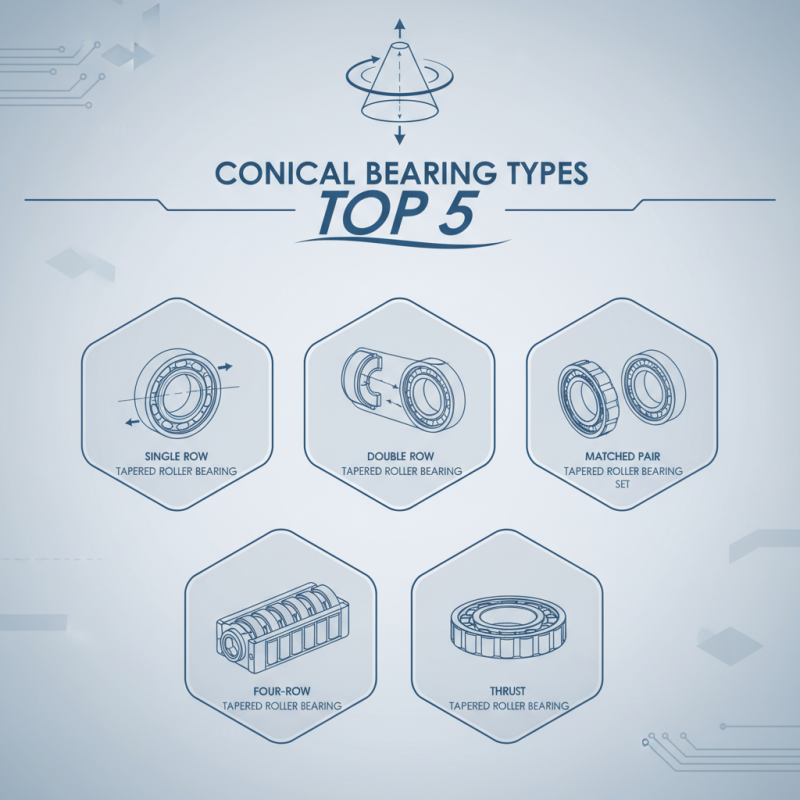
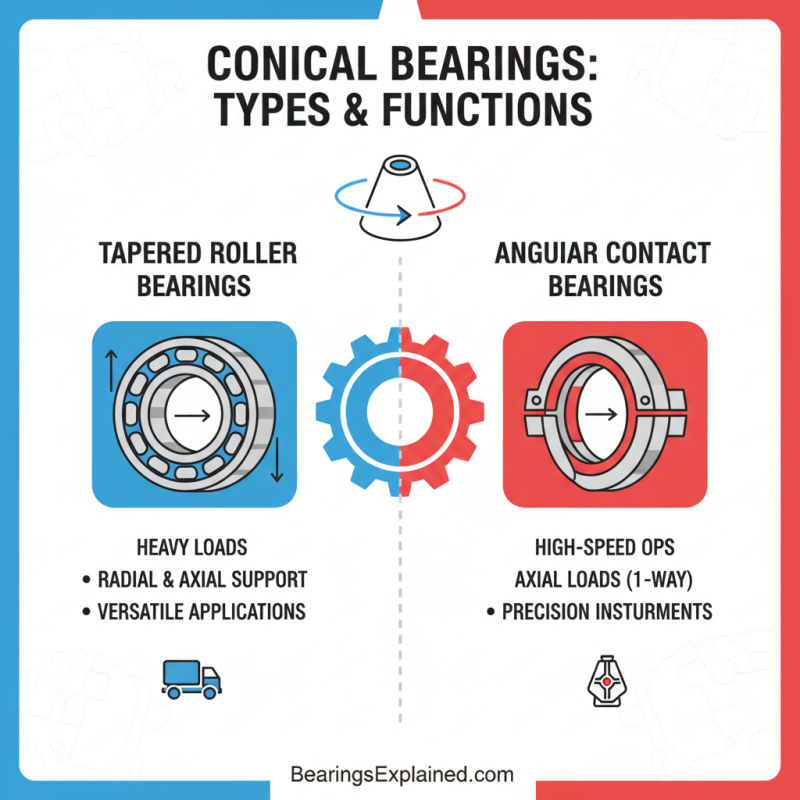
Conical bearings have various types, each serving specific functions. Two common types are tapered roller bearings and angular contact bearings. Tapered roller bearings handle heavy loads efficiently. They allow for both radial and axial loads, which is crucial in many applications. Angular contact bearings, on the other hand, are designed for high-speed operations. They support axial loads in one direction, making them ideal for precision instruments.
Some conical bearings, like self-aligning ones, can provide better load distribution. However, they may not perform well in all situations. The challenge lies in selecting the right type for your specific needs. Misjudging this can lead to increased wear and tear. Additionally, some might overlook maintenance. Regular checks can prevent catastrophic failures.
It’s essential to consider environmental factors too. Dust or moisture can affect performance. Some types might struggle under harsh conditions. A little bit of research can save significant costs and headaches later. Each type has unique features that fit different roles. Understanding those differences can be a game-changer in ensuring efficiency and longevity.
Key Features and Advantages of Each Conical Bearing Type
When it comes to conical bearings, understanding their key features can enhance your selection process. Tapered roller bearings are popular due to their unique design. They can support high radial and axial loads. Likewise, they excel in high-speed applications. They are great for vehicles and machinery.
Another variety is the angular contact ball bearing. This type offers versatility. It can handle combined loads effectively. The design allows for high-speed operations and increased rigidity. Consider using them in precision instruments where stability is crucial.
Tip: Always check load ratings before selection. Each bearing has a specific capacity. Ensure you match it to your application.
Self-aligning ball bearings provide another advantage. They compensate for shaft misalignment. This ability helps to extend the bearing life, especially in challenging conditions. However, be cautious with their load limits; they may not be ideal for all scenarios.
When choosing a conical bearing, reflect on your system's specific requirements. Each bearing type has its strengths and weaknesses. Different situations call for different solutions. Skipping this step could lead to performance issues and premature failure.
Tip: Document your bearing's performance over time. Analyzing this data can reveal patterns and guide future choices.
Top 5 Conical Bearing Types You Need to Know
| Bearing Type |
Key Features |
Advantages |
| Tapered Roller Bearings |
Designed to handle both radial and axial loads |
Excellent load capacity and durability |
| Angular Contact Bearings |
Can support axial loads in one direction |
High-speed applications with low friction |
| Spherical Roller Bearings |
Self-aligning and can accommodate shaft misalignment |
Robust design for heavy load applications |
| Needle Roller Bearings |
Compact design with a high load-bearing capacity |
Space-saving and lightweight solutions |
| Thrust Bearings |
Designed for axial loads only |
High precision and reliability in rotation |
Common Industries and Equipment Utilizing Conical Bearings
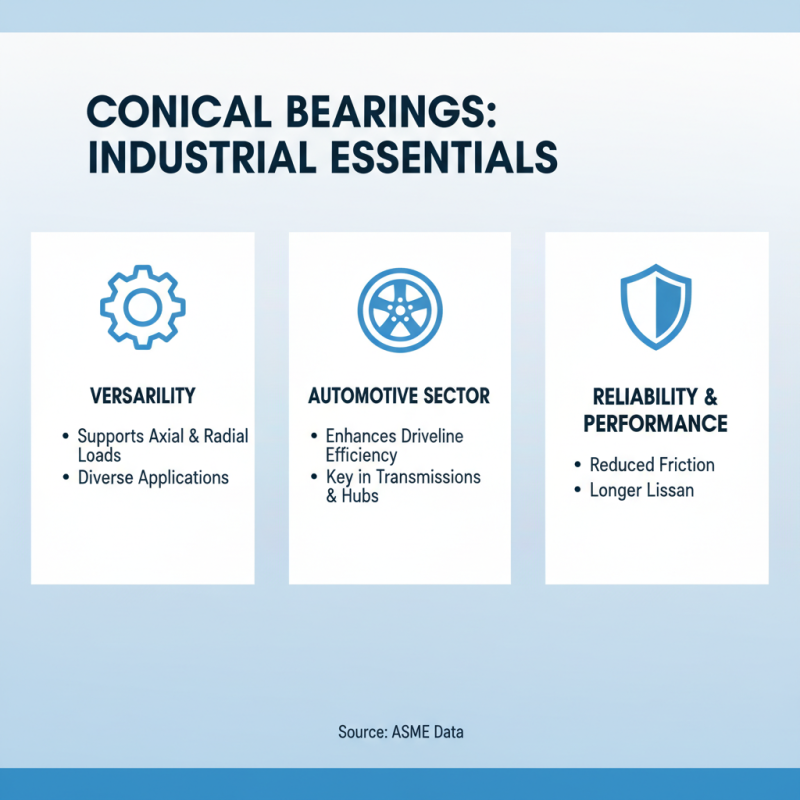
Conical bearings are essential in many industries. They support axial and radial loads, making them versatile. In automotive sectors, conical bearings play a significant role. For example, data from the American Society of Mechanical Engineers (ASME) suggests that these bearings enhance efficiency in essential driveline components.
Manufacturing equipment also heavily relies on conical bearings. In precision machining, they offer stability and accuracy. Reports indicate that about 25% of manufacturing downtime is due to bearing failures. This statistic highlights the importance of using quality conical bearings. However, the perfect bearing design is still elusive.
In the aerospace industry, the demand for high-performance bearings is crucial. Conical bearings help reduce vibrations in turbines. Surprisingly, some aerospace components still experience failure despite using advanced conical designs. Such inconsistencies reveal a need for ongoing research and development in bearing technology.
Maintenance and Troubleshooting Tips for Conical Bearings
Conical bearings play a crucial role in various machinery. Proper maintenance is essential for their longevity. Regular inspections can reveal issues before they escalate. Look for signs of wear, such as unusual noises or excessive heat. Pay attention to lubrication as well. Insufficient lubrication leads to increased friction. This can cause premature failure, which is costly.
When troubleshooting conical bearings, start by checking alignment. Misalignment can cause uneven wear. Consider if the load is within the bearing's capacity. Overloading can affect performance negatively. Sometimes, replacing components is necessary. However, try adjusting the bearings before replacing them. Small adjustments can make a big difference.
Monitoring vibration levels is also critical. High vibration can indicate underlying problems. This may require deeper analysis to pinpoint the issue. Be mindful of the environment as well. Dust and moisture can degrade bearing life. Make sure to keep the area clean and dry. Not every situation is straightforward. Each bearing application is unique, and solutions may vary.