Top 10 Rear Hub Bearing Types for Your Vehicle Needs?
Choosing the right Rear Hub Bearing is essential for your vehicle's performance. Different cars demand specific bearing types. Each type has its own advantages and drawbacks.
You may face confusion when selecting a Rear Hub Bearing. Each option varies in cost, material, and ease of installation. For example, some bearings might last longer but require more maintenance. Others may be cheaper, yet compromise on durability.
Understanding the various types helps in making informed choices. Consider your vehicle's make and model before purchasing. A well-chosen Rear Hub Bearing can enhance safety and performance. Reflect on your driving habits as well. Sometimes, the best choice isn't the most obvious.
Types of Rear Hub Bearings: An Overview
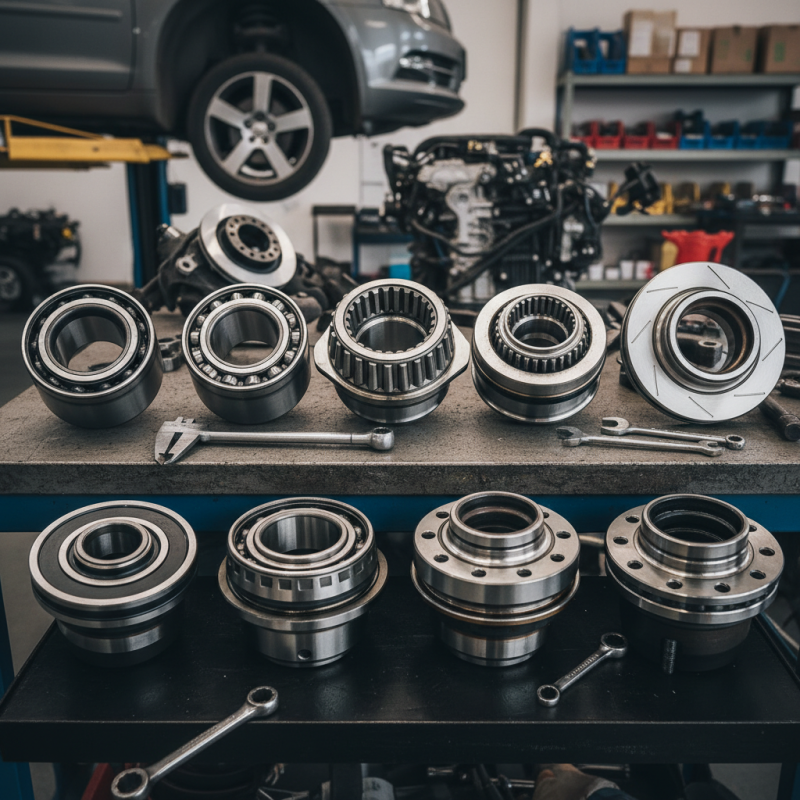
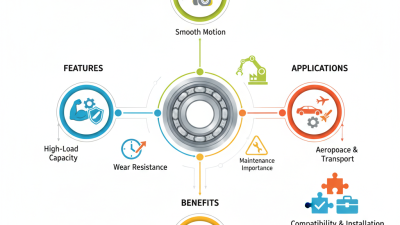
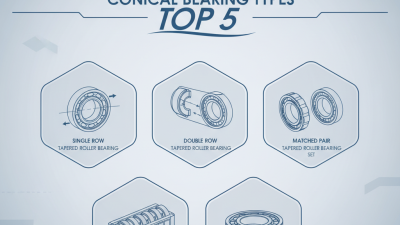
When it comes to rear hub bearings, understanding the different types can be crucial for vehicle performance. Common types include tapered roller bearings, ball bearings, and sealed bearings. Each has its own strengths and weaknesses. A 2020 industry report indicated that tapered roller bearings are preferred for high-load applications. They can handle significant forces and provide durability. However, they require regular maintenance to ensure optimal function.
For smaller vehicles, ball bearings are often sufficient. They are less complex and easier to install. But they may struggle under heavy loads, leading to quicker wear. It's essential to know your vehicle's needs to choose wisely. Sealed bearings offer an advantage in terms of maintenance, as they are pre-lubricated and protected from contaminants. However, once they fail, they often need complete replacement, which can be costly.
Tip: Regular inspections can help spot wear early. Look for signs of noise or vibration while driving. These might indicate a failing bearing. It's better to address issues early than face extensive repairs later.
Tip: Keep in mind that not all bearing types are suited for every vehicle. Check load ratings and size specifications. Choosing the wrong type can lead to early failure. Always consult with a professional if unsure about your options.
Top 10 Rear Hub Bearing Types for Your Vehicle Needs
Understanding the Functionality of Rear Hub Bearings
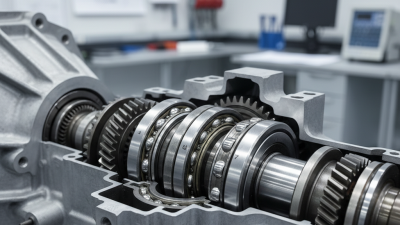
Rear hub bearings play a crucial role in vehicle performance. They facilitate wheel rotation and support the entire weight of the vehicle. According to industry data, improper bearing functionality can lead to uneven tire wear. This affects handling and stability.
Understanding their types is essential. Common types include ball bearings and tapered roller bearings. Each has unique benefits. For example, ball bearings are compact and provide smooth motion. In contrast, tapered roller bearings can handle higher loads and are often used in heavier vehicles. Studies show that nearly 20% of bearing failures are linked to improper lubrication. This highlights the need for regular maintenance and checks.
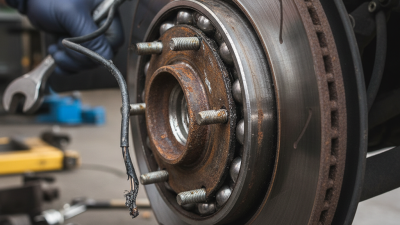
Real-world scenarios demonstrate the consequences of neglect. A vehicle with a failing rear hub bearing can exhibit loud noises and vibrations. These symptoms indicate potential safety hazards. Addressing these issues early is vital. In some cases, drivers may not notice problems until significant damage occurs. Thus, regular inspection and understanding of bearing types can enhance vehicle safety and performance.
Factors to Consider When Choosing Rear Hub Bearings
When choosing rear hub bearings, several factors come into play. The type of driving you do is important. Off-road driving may require more robust bearings, while city driving might allow for less durable options. Consider the weight of your vehicle as well. Heavier vehicles often need stronger bearings to handle the load.
Another crucial aspect is the material of the bearings. Steel and ceramic bearings offer different benefits. Steel is durable, but ceramic is lighter and often more efficient. The climate where you live should also be a factor. Moisture and salt can corrode bearings faster.
Lastly, always think about installation methods. Some bearings are easier to install than others. Improper installation can lead to early failure. Using the right tools and techniques makes a difference. Reflect on these points to avoid costly mistakes.
Top 10 Rear Hub Bearing Types for Your Vehicle Needs
| Bearing Type |
Material |
Load Capacity (lbs) |
Durability Rating |
Application Type |
| Angular Contact |
Steel |
2000 |
High |
Performance Cars |
| Deep Groove |
Chrome Steel |
1500 |
Medium |
Sedans |
| Tapered Roller |
Alloy Steel |
2500 |
Very High |
Trucks |
| Self-Aligning |
Stainless Steel |
1200 |
Medium |
SUVs |
| Spherical Roller |
Bronze |
3000 |
Very High |
Heavy-Duty |
| Composite |
Plastic |
800 |
Low |
Compact Cars |
| Magnetic |
Magnetite |
1000 |
Medium |
Electric Vehicles |
| Ceramic |
Ceramic |
2200 |
Very High |
High-Performance |
| Non-Adjustable |
Steel |
1500 |
Medium |
Standard Vehicles |
| Sealed |
Stainless Steel |
1600 |
High |
Daily Drivers |
Top 10 Rear Hub Bearing Brands and Their Features
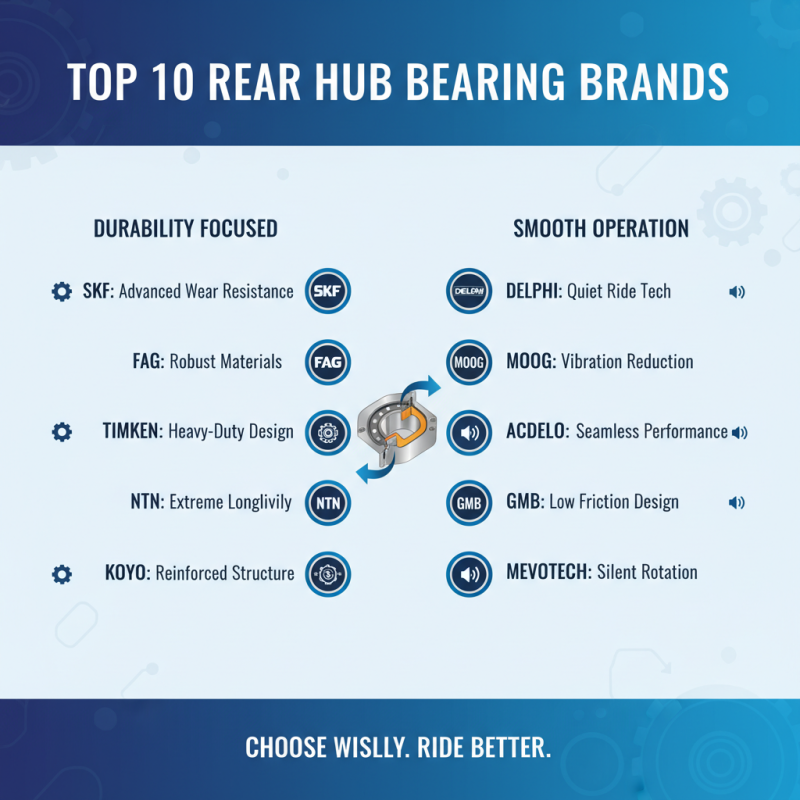
When choosing rear hub bearings, several brands stand out for their quality and design. Each type has distinctive features suited for different vehicles. Some brands focus on durability, using advanced materials that resist wear over time. Others prioritize smooth operation, providing a quieter ride.
Each brand offers unique benefits. Some bearings are designed for high performance. These can handle heavy loads and provide better torque transmission. Meanwhile, there are options that excel in preventing moisture intrusion. This prevents rust, an important consideration if you drive in wet conditions.
It's crucial to think about your driving needs. Some users may value speed and responsiveness, while others may prioritize longevity and maintenance space. Reflecting on your preferences can help make the best selection. Understanding these features can guide you to the right choice.
Maintenance Tips for Maximizing the Life of Rear Hub Bearings
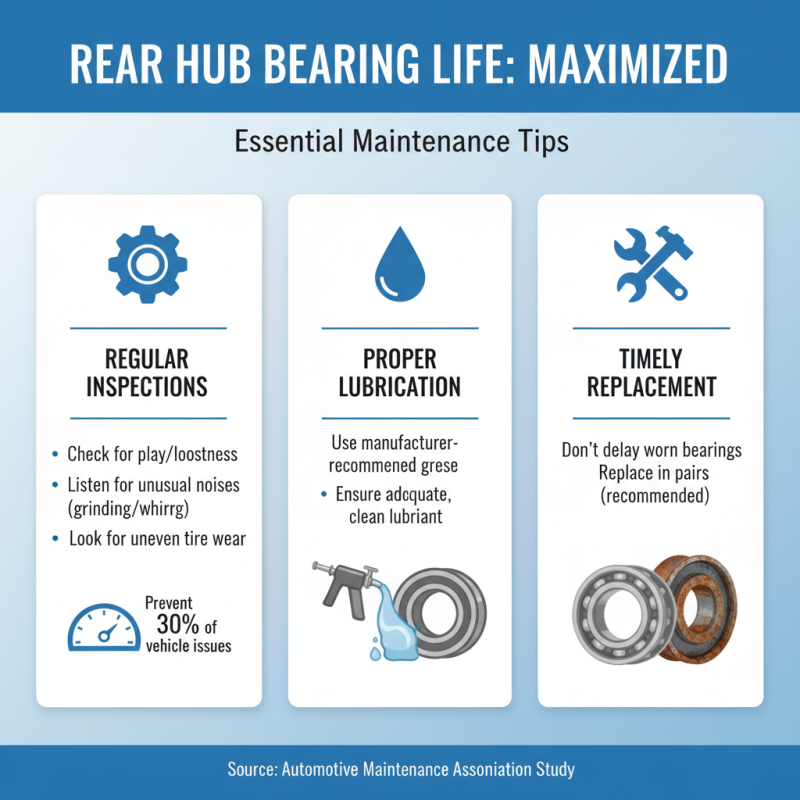
Proper maintenance of rear hub bearings is vital for vehicle performance. Regular inspections can prevent significant wear and failure. A study from the Automotive Maintenance Association indicates that about 30% of vehicle issues stem from neglected bearing maintenance. Simple practices can maximize their lifespan.
Check the bearing grease levels frequently. Insufficient lubrication can lead to increased friction and overheating. In fact, bearings can run inefficiently at high temperatures, reducing their lifespan by up to 50%. It's wise to use a vacuum pump for precision when adding grease. Learn the signs of wear, too. Listen for unusual noises while driving. A grinding or humming sound may indicate impending failure. Addressing these signs promptly can save you time and money.
Temperature is a silent enemy. Operating in extreme conditions can accelerate wear. A rise in temperature could be a red flag. Regularly monitor for excessive heat at the wheel hub. If a bearing feels too hot to touch, it requires immediate inspection. Also, avoid over-tightening bolts, as this can distort the bearing. Remember, small adjustments can yield significant longevity for your rear hub bearings.