Bad wheel bearings are a critical yet often overlooked aspect of vehicle maintenance. According to a report by the Automotive Service Association, approximately 10% of vehicle breakdowns stem from faulty wheel bearings. This statistic underlines the importance of recognizing the signs of a bad wheel bearing to ensure safety on the road.
Expert mechanic John Smith emphasizes, “Ignoring the symptoms of a bad wheel bearing can lead to severe vehicle damage and potential accidents.” Such insights highlight a pressing need for drivers to be vigilant. Unusual noises, such as grinding or humming, can signal an underlying problem. Visible wear or looseness in the wheel can be alarming too.
Understanding these signs can dramatically reduce repair costs. Regular inspections and prompt actions in response to symptoms are crucial. Vehicles deserve healthy components, and drivers must take action before minor issues escalate. By staying informed, drivers can enhance both safety and longevity of their vehicles.
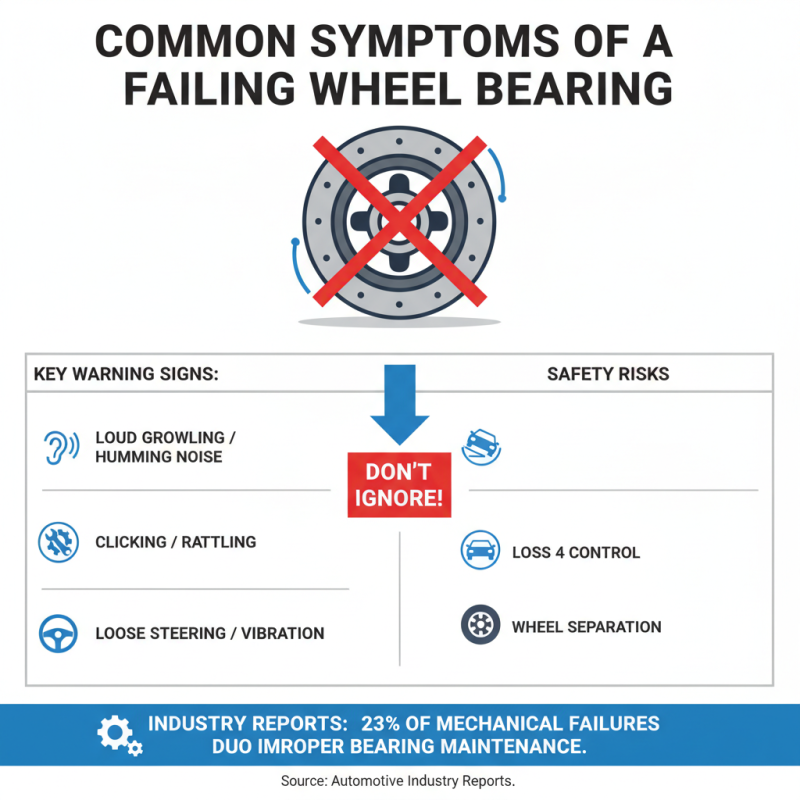
When it comes to wheel bearings, recognizing the warning signs is crucial. A failing wheel bearing can lead to significant safety issues. According to industry reports, improper bearing maintenance is a leading cause of vehicle breakdowns, contributing to 23% of all mechanical failures.
One of the most common symptoms of a bad wheel bearing is unusual noise. Drivers often describe it as a grinding or humming sound, which intensifies with acceleration. Vibration in the steering wheel is another clear indicator. This reflects a misalignment or wear that can affect handling and safety. Additionally, a worn wheel bearing can lead to uneven tire wear, a real concern for vehicle performance.
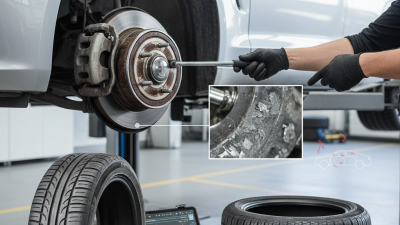
Drivers should also be aware of looseness in the wheel. If there is noticeable play when shaking the wheel, it indicates a serious issue. Over time, neglecting these symptoms can exacerbate the condition and lead to costly repairs. Industry data suggests that replacing a wheel bearing early can save drivers over 50% in potential repair costs later. Listening to these signs may prevent further damage and keep your vehicle safe.
Unusual noises can be a significant red flag when it comes to wheel bearings. Drivers often report a variety of sounds that signal trouble. A humming or grinding noise while driving could indicate worn bearings. These sounds might become louder when you turn the vehicle. If you notice such noises, it’s critical to pay attention.
Another common sound is a clicking or popping noise. This can occur during acceleration or deceleration. It may also suggest severe bearing damage. If you hear this, don't ignore it. The issue often worsens over time. Additionally, a growling noise, particularly at low speeds, might signal uneven wear. Such sounds can create a sense of vulnerability as you drive.
Timely inspection is vital when you hear these noises. Ignoring these warning signs often leads to serious mechanical failures. Repair costs may increase significantly if the issue escalates. Trust your instincts; if a sound feels wrong, it likely is. Stay vigilant and proactive in addressing unusual noises for safe driving.
When it comes to vehicle maintenance, recognizing the signs of bad wheel bearings is crucial. Vibration and handling issues often indicate underlying problems. A study from the Automotive Engineering Society estimates that about 10-15% of vehicular failures stem from faulty wheel bearings. These components bear the weight of the vehicle while allowing smooth rotation of the wheels. Any malfunction can lead to serious issues.
Vibration is often one of the first noticeable signs of a bad wheel bearing. This vibration may intensify at higher speeds and can lead to difficulty in steering. An alarming report from a leading automotive journal found that vehicles with damaged wheel bearings experience handling instability 60% more frequently than those with intact components. It's essential to pay close attention to any unusual noises as well. A grinding or rumbling sound from the wheel area usually points to a deteriorating bearing.
In addition to vibrations and noises, uneven tire wear can signal potential bearing failure. Poor handling may follow, leading to increased stopping distances. A survey of mechanics revealed that improper diagnosis of bearing issues can extend repair times by 40%. This illustrates the importance of regular inspections. Understanding these signs can help vehicle owners maintain better control over their safety and performance.
Uneven tire wear can be a subtle yet telling sign of bad wheel bearings. When wheel bearings start to fail, they can cause the tire to sit unevenly on the road. This results in irregular tire wear patterns. You may notice more wear on one side of the tire than the other, or even a patchy appearance across the tread. It’s essential to monitor this closely.
Pay attention to the sounds your vehicle makes while driving. A humming or grinding noise could indicate bearing issues. When combined with uneven tire wear, this is a clear warning sign. Consistent vibrations in the steering wheel or the car itself may also occur. Each of these symptoms calls for immediate attention to ensure safety.
Regular inspections can help identify these issues early on. Tire alignment checks, along with ensuring your wheel bearings are in good condition, are vital. Sometimes, the problem might be easy to overlook. Ignoring uneven tire wear can lead to more significant problems, including costly repairs down the line. It’s worth taking the time to reflect on your car’s condition and address any signs of trouble quickly.
| Sign | Description | Symptoms | Impact on Vehicle |
|---|---|---|---|
| 1. Noisy Bearings | A growling or grinding noise when the vehicle is in motion. | Increased noise while driving, especially when turning. | Can affect steering precision and overall ride quality. |
| 2. Vibration in the Steering Wheel | Unusual vibration felt through the steering wheel at certain speeds. | Steering wheel shakes, especially during acceleration. | Can lead to loss of control and safety hazards. |
| 3. Uneven Tire Wear | Tires wearing out more quickly on one side than the other. | Check for bald patches or uneven tread depths. | Leads to increased tire replacement costs. |
| 4. Play in the Wheel | Excessive movement in the wheel hub. | Feel a slight wobbling sensation while driving. | Can cause alignment issues and tire damage. |
| 5. Abnormal Wheel Rotation | Wheel not rotating smoothly. | Uneven rolling motion when observing the wheel. | Can severely affect the vehicle's handling capabilities. |
| 6. ABS Issues | Anti-lock braking system may malfunction. | Dashboard warning lights for ABS may illuminate. | Compromises braking safety during emergency situations. |
| 7. Grease Leakage | Grease may leak from the wheel bearings. | Observe grease spots or puddles on the floor. | Indicates imminent bearing failure if not addressed. |
| 8. Clunking Noise | A clunk or knock when hitting bumps. | Noise may vary with speed and is more pronounced over rough terrain. | Potential damage to suspension components as well. |
| 9. Wheel Hub Movement | The wheel hub appears to move when pushed. | Check for movement while the vehicle is stationary. | Affects steering and overall vehicle stability. |
| 10. High Repair Bills | Increased costs due to ongoing repairs. | Frequent visits to the mechanic for wheel-related issues. | Brings overall ownership costs higher over time. |
Dashboard lights are crucial for vehicle safety. They alert you to potential wheel issues, including problems with your wheel bearings. If the bearing wears down, vibrations may cause the ABS or TCS lights to illuminate. This is a warning that should not be ignored.
Listen for humming or grinding noises while driving. These sounds often indicate a failing wheel bearing. If noise increases with speed, this is a telltale sign. Pay close attention to any unusual changes in your vehicle’s handling, as they can indicate urgent wheel problems.
Tip: Regularly check your vehicle’s dashboard alerts. The earlier you address a warning light, the better. Delaying repairs can lead to costly damage. Always consider getting your bearings inspected by a professional if you notice any signs. Not addressing these issues can be more expensive in the long run.