Top 10 Wheel Ball Bearing Types Buyers Need to Know?
In the world of mechanics, understanding "Wheel Ball Bearings" is essential for optimal performance. Industry expert Dr. Laura Whitman once stated, “Choosing the right bearing can significantly enhance the efficiency of machinery.” With numerous types available, it's crucial for buyers to navigate this landscape wisely.
Wheel ball bearings serve vital roles in various applications, from automotive to industrial machinery. Each type offers unique benefits, influencing factors like speed, load capacity, and durability. However, many buyers often overlook important specifications, leading to inefficient choices.
Being informed about different types of wheel ball bearings not only boosts performance but also extends equipment lifespan. As technology evolves, so do bearing designs. Staying updated is critical for achieving reliable outcomes. This guide delves into ten essential types that every buyer should know, ensuring informed decisions in selecting the right wheel ball bearing.
Understanding Wheel Ball Bearings: An Overview
Wheel ball bearings are crucial components in various applications, from bicycles to industrial machinery. They reduce friction and support loads effectively. According to the International Organization for Standardization (ISO), nearly 60% of mechanical failures in machines are due to inadequate bearing performance. Understanding the different types of wheel ball bearings can greatly impact the efficiency and longevity of equipment.
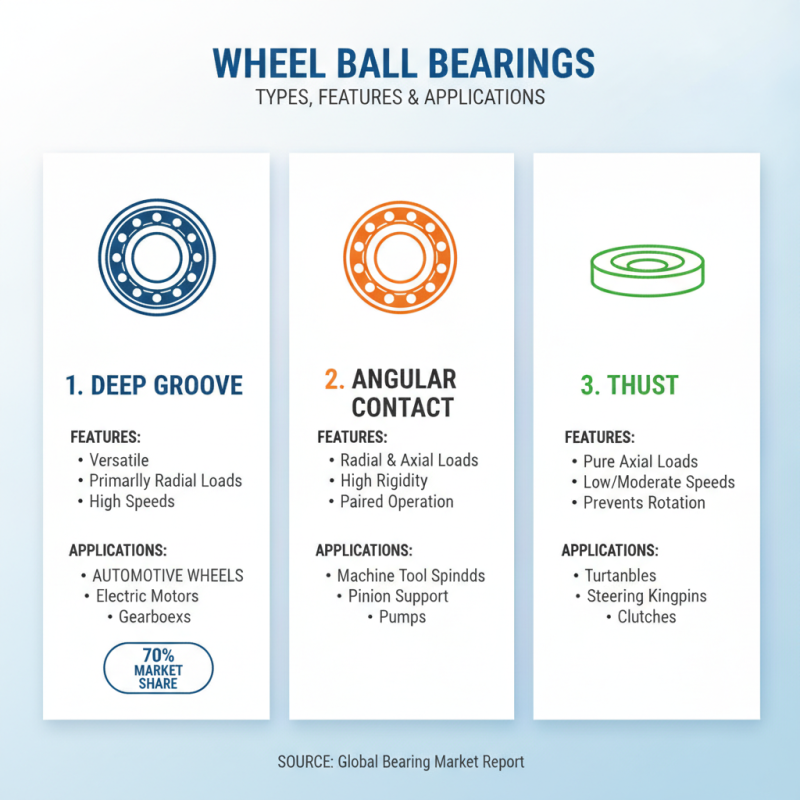
There are various designs available, including deep groove, angular contact, and thrust ball bearings. Deep groove bearings are the most common and can handle both radial and axial loads. Their versatility is well documented, with reports indicating they account for approximately 50% of the global market. Angular contact bearings, on the other hand, are ideal for high-load applications. Their unique shape allows them to accommodate higher speeds and heavier loads than conventional types. However, their installation can be tricky, leading to potential errors in practice.
When selecting wheel ball bearings, buyers must consider specific needs. For instance, material choice significantly affects performance. Steel bearings are strong but may rust easily. Ceramic bearings are lightweight and corrosion-resistant but are also more brittle. The complexity of these choices highlights the importance of well-informed decision-making. It’s essential to weigh the benefits and drawbacks of each type before making a purchase.
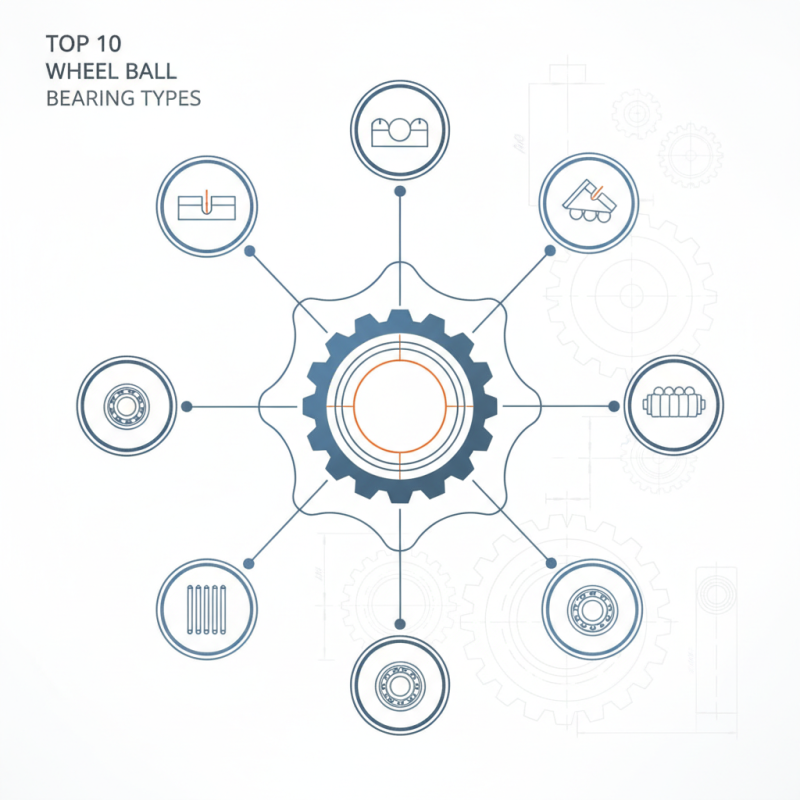
Top 10 Wheel Ball Bearing Types Buyers Need to Know
| Bearing Type |
Material |
Load Capacity (kg) |
Max RPM |
Temperature Range (°C) |
| Deep Groove Ball Bearing |
Steel |
500 |
12,000 |
-20 to 120 |
| Angular Contact Ball Bearing |
Chrome Steel |
600 |
10,000 |
-30 to 150 |
| Self-Aligning Ball Bearing |
Stainless Steel |
450 |
8,000 |
-20 to 100 |
| Thrust Ball Bearing |
Brass |
400 |
5,000 |
-20 to 90 |
| Spherical Roller Bearing |
Alloy Steel |
1,200 |
6,000 |
-20 to 130 |
| Needle Roller Bearing |
Carbon Steel |
350 |
15,000 |
-20 to 100 |
| Ceramic Ball Bearing |
Ceramic |
800 |
20,000 |
-40 to 200 |
| Frictionless Bearing |
Plastic |
200 |
3,000 |
-20 to 80 |
| Miniature Ball Bearing |
Stainless Steel |
150 |
30,000 |
-10 to 90 |
| Double Row Ball Bearing |
Chrome Steel |
900 |
7,500 |
-20 to 120 |
Types of Wheel Ball Bearings: Key Features and Applications
When selecting wheel ball bearings, understanding their types and features is essential. Common types include deep groove, angular contact, and thrust ball bearings. Each serves a unique purpose. For example, deep groove bearings handle radial loads well, making them ideal for auto wheels. According to a report by the Global Bearing Market, deep groove bearings make up about 70% of the bearing market share.
Angular contact ball bearings play a crucial role in high-speed applications. They are designed to support both radial and axial loads. This makes them suitable for various industries, including aerospace and automotive. Reports indicate they can improve efficiency by up to 15% in certain setups. However, these bearings might require more frequent maintenance due to their design.
Thrust ball bearings, while less common, are critical in specific applications. They support axial loads but not radial loads. Their usage can often be overlooked, leading to inefficiencies. In fact, industry studies show improper bearing selection can reduce equipment lifespan by 30%. It's necessary to choose the right type based on the application, especially considering each type's limitations and maintenance needs.
Factors to Consider When Choosing Wheel Ball Bearings
Choosing the right wheel ball bearings can greatly impact performance. Various factors determine this choice. Load capacity is crucial. Bearings must support the weight they will carry without failure. Most standard ball bearings handle loads from 200 to 1200 pounds. Selecting a bearing that can manage these weights is essential for safety.
Material is another critical factor. Bearings come in different materials such as steel and ceramic. Steel bearings are strong and durable. However, ceramic bearings offer reduced friction and wear. The trade-off can affect efficiency. According to industry data, ceramic bearings can improve speed by up to 30%.
Seal type also matters. Seals protect bearings from dirt and moisture. Choosing the right seal can extend the bearing’s lifespan. Some seals may be too tight, causing drag. Others may be too loose, letting contaminants in. Each of these elements requires careful consideration for optimal performance and longevity.
Top 10 Wheel Ball Bearing Types - Performance Comparison
Maintenance Tips for Longevity of Wheel Ball Bearings
Wheel ball bearings are crucial for smooth operation. To ensure longevity, regular maintenance is necessary. Here are some tips to keep your bearings in top shape.
Cleaning is essential. Dust and grime can accumulate, affecting performance. Use a soft brush to remove debris. A light lubricant can help keep bearings running smoothly. Apply it sparingly, ensuring it does not attract more dirt.
Monitor for unusual noises. Squeaking or grinding can indicate a problem. Early detection can prevent further damage. Check for signs of wear, such as discoloration or roughness when spinning. Regular inspections can save time and money in the long run.
Storage matters too. Keep your wheel ball bearings in a dry place. Moisture can lead to rust. If not in use, place them safely away from dust and dirt. A little care goes a long way in extending their lifespan.
Common Brands and Manufacturers of Wheel Ball Bearings
When exploring wheel ball bearings, it's essential to know the brands that lead the industry. Key manufacturers offer a range of bearings that cater to different applications. According to a recent market analysis, the global ball bearing market is projected to reach $34.8 billion by 2026. This figure illustrates the growing demand for reliable bearings across various sectors, including automotive and machinery.
Several well-known companies dominate this space. Many of them have been in the industry for decades and are known for their precision engineering. For instance, they implement stringent quality control measures. Advanced materials and innovative designs play a crucial role in enhancing bearing performance. However, differences in manufacturing techniques can lead to variability in product reliability. Some less reputable brands may cut corners, impacting durability and safety.
User reviews often highlight important aspects of these bearings, like noise level and resistance to wear. These factors can significantly influence customer satisfaction. Industry experts emphasize the importance of conducting thorough research when selecting bearings. Inconsistent performance can result in operational inefficiencies, making it imperative to choose wisely.