A Bad Wheel Bearing can turn a quiet drive into a warning you cannot ignore. The first clue is often a low humming, growling, or rumbling sound near one wheel. It may become louder as your speed increases. The noise can change when you gently steer left or right. However, sound alone can mislead you. Tire cupping, worn drivetrain parts, and uneven road surfaces may create similar symptoms.
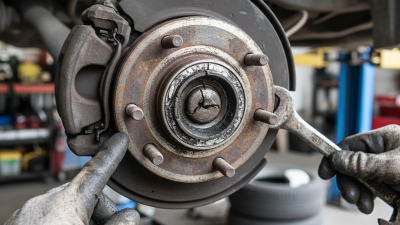
During a practical inspection, notice whether the steering wheel vibrates at certain speeds. Check for unusual tire wear, looseness, or a dull grinding sensation. With the vehicle safely lifted, an experienced technician can rotate the wheel and check for roughness. Never rely on a jack alone. Use approved stands and follow the vehicle manufacturer’s service instructions. Some modern bearings show no obvious movement, even when their internal surfaces are damaged. That detail is easy to miss.
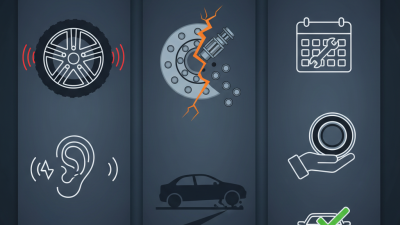
Warning signs deserve attention.
An illuminated ABS or traction-control light may also appear, especially when the bearing includes an integrated sensor. Still, no single symptom proves the diagnosis. I have seen drivers replace good bearings after confusing tire noise with mechanical damage. A qualified mechanic can compare road-test sounds, inspect suspension components, and measure bearing play accurately. This approach is safer and more reliable than guessing from one noise. If the vehicle pulls, shakes, or feels unstable, reduce driving and arrange a professional inspection. Small sounds can become serious handling problems. This guide explains the clues clearly, while recognizing that some cases require hands-on testing and careful judgment.
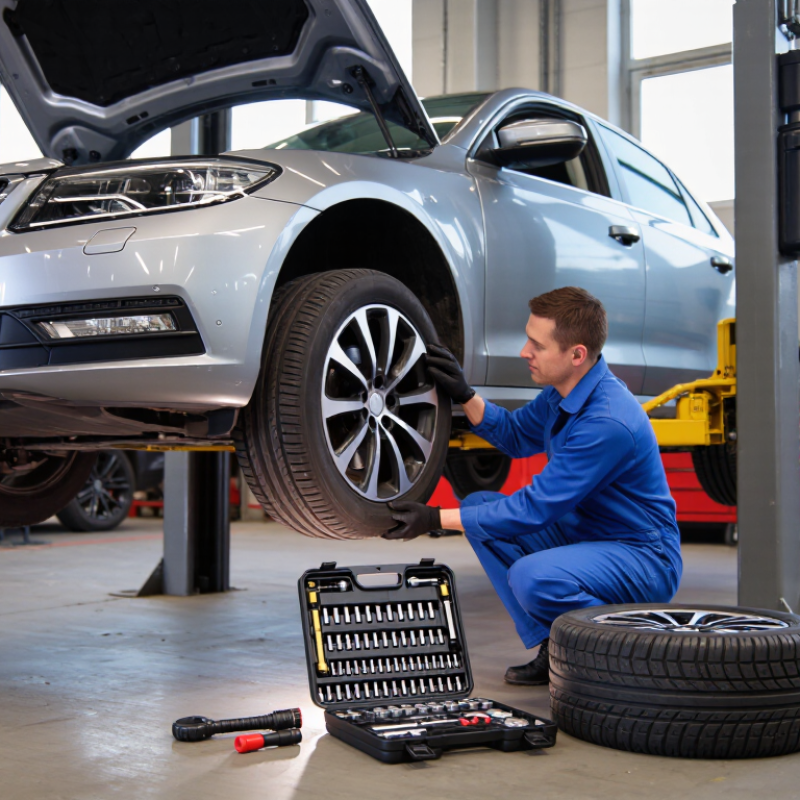
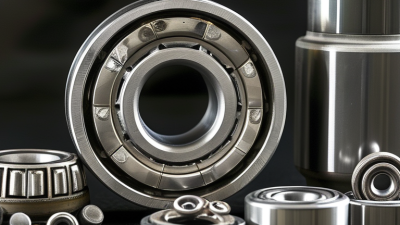
A wheel bearing lets the wheel rotate smoothly around the hub. It carries vehicle weight, controls friction, and helps keep the wheel aligned. When its condition worsens, steering precision can suffer. A damaged bearing may also increase heat near the wheel.
Listen for a low humming, growling, or rumbling sound. The noise often rises with road speed, not engine speed. It may change when you gently turn left or right. That clue is useful, but not perfect. Tire cupping, uneven tread, and worn driveline parts can sound similar. I once misjudged a tire-noise problem as a bearing fault. A hands-on inspection still matters.
With the vehicle safely lifted, a technician can check for looseness by rocking the wheel. Rough rotation, grinding, or visible play deserves attention. Do not rely on noise alone. S&P Global Mobility’s 2024 vehicle-age analysis reported an average U.S. light-vehicle age of about 12.6 years. Older vehicles commonly face more seal wear, corrosion, and mileage-related bearing stress. NHTSA’s 2022 Traffic Safety Facts does not separately track wheel-bearing failures, which shows why careful diagnosis is important. A bearing can feel quiet today and deteriorate quickly after water or impact damage. Inspect the hub, fasteners, tire, and brake area together. Small details matter.
A failing wheel bearing often creates a low humming, growling, or rumbling sound. The noise usually increases with road speed, not engine speed. It may become louder when you gently steer left or right. The sound can seem to come from the opposite side, which makes diagnosis confusing. Noise can fool you.
Pay attention to new vibration through the steering wheel or floor. A loose bearing may cause noticeable wheel play when the vehicle is safely lifted. Uneven tire wear, drifting movement, or a faint grinding sound can also appear. Some vehicles may display an ABS warning, but a warning light can also indicate a sensor problem. It should not be treated as proof of bearing failure.
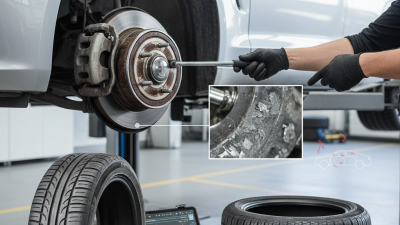
A careful inspection compares both sides. With the wheel raised securely, a technician can spin it, listen for roughness, and check movement at different positions. A short road test can help, but nearby tires, brakes, and suspension parts may produce similar symptoms. Even experienced technicians can misjudge the source without checking these components. Do not touch a recently driven hub with bare skin; it may be dangerously hot. If the wheel feels loose or the grinding becomes severe, limit driving and arrange a professional inspection. One small vibration today may become a serious control problem later.
A bad wheel bearing often reveals itself through a low growl, humming, or vibration that changes with speed. The sound may become louder when you gently load one side during a turn. However, noise can travel through the suspension. A quiet test does not prove the bearing is healthy.
Park on level ground and chock the opposite wheels. Lift one corner with an approved jack, then support it securely with a stand. Never rely on the jack alone. Hold the tire at the twelve and six o’clock positions. Rock it firmly. Noticeable play, clicking, or a dull knock deserves inspection. Spin the wheel by hand. Roughness, scraping, or uneven resistance can indicate bearing damage. Compare it with the opposite side. This comparison is useful, but not perfect.
A short road test can add evidence. Listen near 30–50 km/h, then make gentle left and right movements on a safe, empty road. Do not force the vehicle if steering feels unstable. Check for heat afterward, without touching a very hot component directly. The Commercial Vehicle Safety Alliance’s 2024 International Roadcheck recorded wheel-end defects as 8.6% of out-of-service violations, showing why this area deserves attention. That figure concerns commercial vehicles, not every passenger car. A bearing diagnosis should also consider tire wear, brake drag, suspension joints, and alignment. I would not replace a bearing from noise alone. A professional inspection is the safer decision when play or grinding appears.
A worn wheel bearing usually creates a steady hum, growl, or rumble that follows road speed. The sound often becomes louder when you gently steer toward one side. It usually does not change when engine speed rises. Tire cupping can sound similar, though. Run your palm across the tread; uneven, saw-tooth blocks suggest a tire problem. The noise may also change across different road surfaces.
Brake trouble has different clues. A dragging brake can produce heat, a sharp smell, or pulling during braking. A damaged CV joint commonly clicks during tight, slow turns. Transmission noise often changes with gear selection or throttle load. My own first diagnosis was not perfect. I once blamed a bearing before checking irregular tire wear.
The 2024 Auto Care Association Factbook reports an average U.S. vehicle age of 12.6 years, increasing the chance of wear-related faults. However, the report does not prove that every humming sound comes from a bearing. NHTSA’s 2022 Traffic Safety Facts recorded 42,514 traffic fatalities, while wheel-bearing failures were not listed as a separate category. That limitation matters. Do not treat general safety data as a diagnosis. A technician can compare hub play, road-test results, and chassis microphone readings. If you lift the vehicle, use approved stands and check for looseness carefully. A faint noise may be harmless, but a worsening growl deserves prompt inspection.
A failing wheel bearing may produce a low humming, growling, or grinding sound. The noise often changes when you gently turn the steering wheel. It may also increase with speed, even when the engine remains quiet. Uneven tire wear, steering vibration, or looseness near one wheel can provide additional clues. These signs can overlap with tire, brake, or suspension problems.
Do not rely on sound alone.
Replace a damaged wheel bearing promptly after a qualified inspection. A loose bearing can affect wheel control and braking stability. In severe cases, continued driving may create dangerous wheel movement.
Stop driving if the wheel feels loose, the vehicle pulls sharply, or grinding becomes severe. Arrange professional assistance instead.
A technician can lift the vehicle, check wheel play, and compare noise from each corner. They may also inspect the hub, tire, brakes, and suspension.
This matters because replacing the wrong part wastes money and leaves the real fault unresolved. I have learned that a brief road test can mislead, especially on rough pavement. Diagnosis needs both listening and physical testing.
Do not ignore a quiet bearing, either. Some failures show little warning before becoming serious. Short trips may seem harmless, but distance and speed increase risk.
Follow the vehicle’s service guidance, and use a trained professional when the diagnosis is uncertain.